
You probably touch oriented polypropylene every single day without even realizing it. Manufacturers use this versatile plastic packaging material for everything from potato chip bags to clear product labels. If you are wondering what OPP film is, you are looking at one of the most widely produced materials in the global supply chain.
OPP stands for Oriented Polypropylene, which is a highly specialized industrial polymer. It is created by stretching a standard polypropylene polymer to align its internal molecular structure. This strategic alignment significantly improves the physical properties and tensile strength of the baseline plastic.
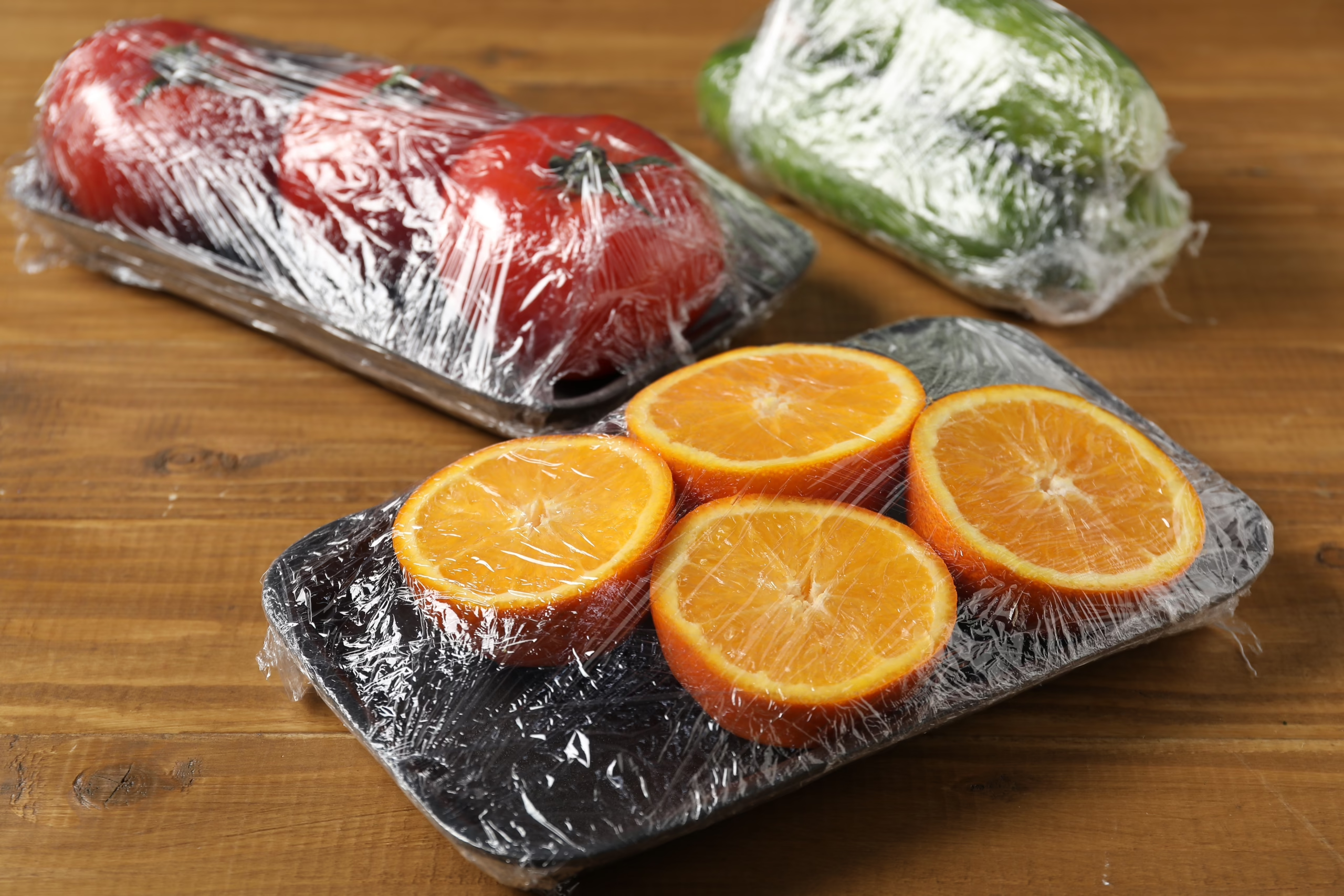
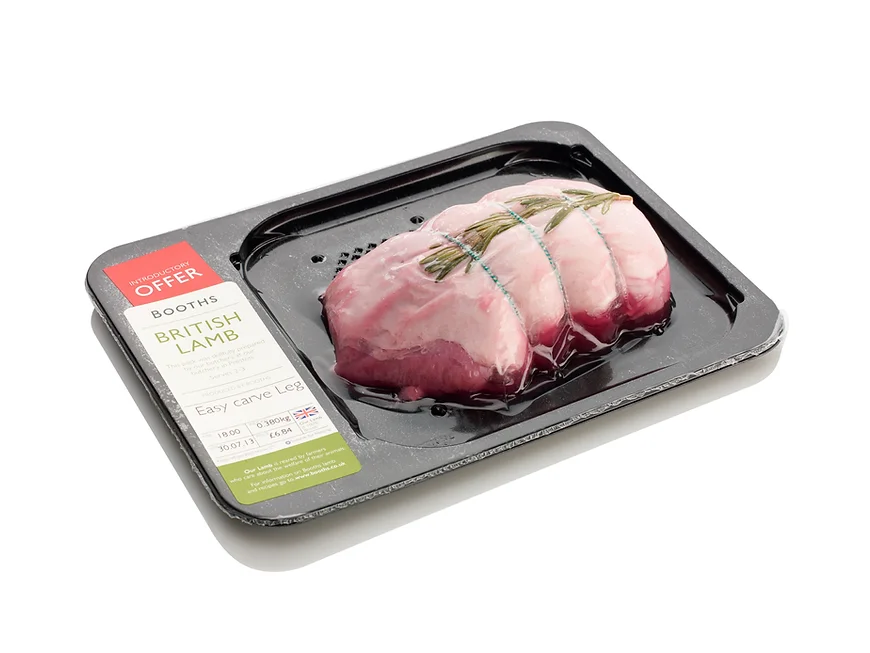
The global packaging sector relies heavily on this specific plastic formulation to protect consumer goods across various international markets. American consumers interact with it constantly through food wrappers, overwrap films, and retail packaging found in every major grocery store.
The Chemical Composition and Stretching Process
Polypropylene belongs to a massive family of industrial thermoplastics known as polyolefins.
- The Baseline Material: Chemical engineers synthesize this base polymer directly from propylene monomers derived during petroleum refining. While unaltered polypropylene offers decent heat resistance, it lacks the structural integrity required for heavy-duty flexible packaging.
- The Fix (Orientation): To solve this inherent weakness, manufacturers apply a highly controlled mechanical stretching process. When the heated polymer film is stretched, its chaotic, tangled molecular chains align themselves uniformly in the direction of the stretch.
- The Result: This precise molecular alignment drastically increases the overall tensile strength, durability, and puncture resistance of the plastic film.
Why the Packaging Industry Relies on OPP
The physical transformation that occurs during the orientation process delivers three massive benefits for consumer goods:
- Enhanced Optical Clarity: Stretching the material thins it out uniformly, making it incredibly clear so consumers can see the product inside.
- Superior Moisture Barrier: The aligned molecular structure makes it incredibly difficult for water vapor to penetrate the plastic.
- Extended Shelf Life: Food brands heavily value this moisture resistance because it keeps dry snacks, crackers, and pasta fresh and crisp, dramatically reducing food waste in grocery stores across the United States.
BOPP vs MOPP: Comparing Biaxially Oriented Polypropylene Film Types
Industry professionals typically divide oriented polypropylene into two distinct categories based entirely on the factory stretching method.
- BOPP film stands for Biaxially Oriented Polypropylene, meaning the industrial processing machine stretches the heated film in two different directions. The material is pulled both lengthwise and crosswise to create a uniform, highly durable sheet of plastic.
- MOPP film stands for Monoaxially Oriented Polypropylene, which involves stretching the film in only one single direction. This single-direction pull creates incredible strength along that specific axis, but leaves the material susceptible to tearing from the side. Manufacturers frequently use MOPP for tear-tapes, pallet strapping, and heavy-duty tape backings.
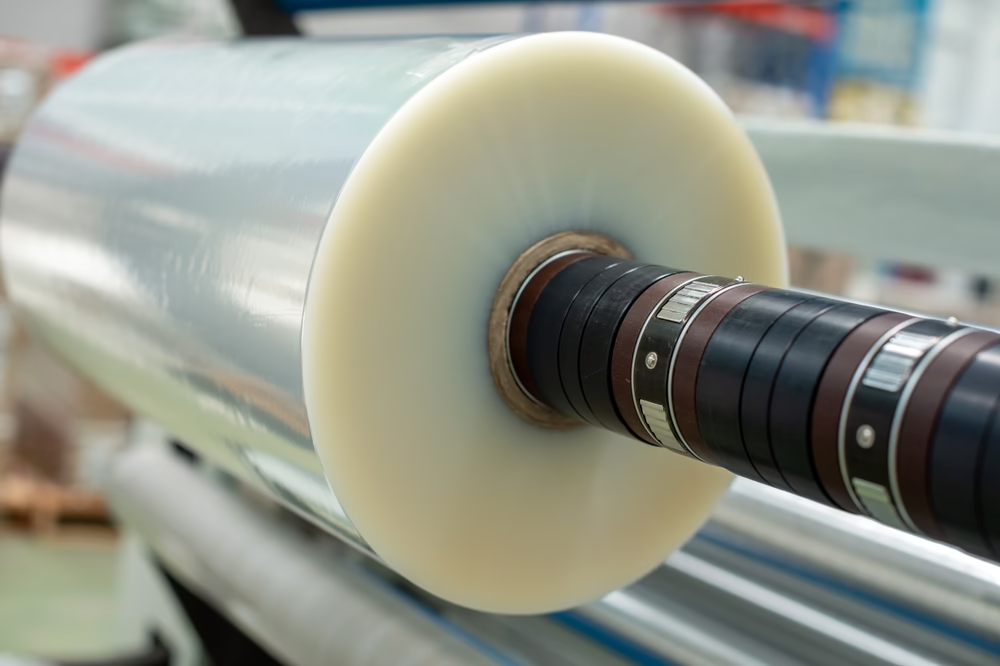
BOPP dominates the flexible packaging market due to its balanced strength and superior commercial printability. Most consumer goods brands prefer biaxially oriented materials for their primary product wrapping, overwrap/flow-wrapping applications, and retail displays. To meet this massive demand, commercial plastic film manufacturers utilize high-output processing lines to consistently output uniform master rolls of various thicknesses. RTG Films maintains a robust catalog of these premium polypropylene films, leveraging decades of conversion expertise to provide custom-slit widths and precise roll sizes customized to your high-speed packaging machinery.
Key OPP Film Properties: Moisture Barrier and Material Characteristics
Oriented polypropylene (OPP) delivers a specific set of physical traits that make it highly desirable for commercial and industrial applications.
- Superior Moisture Barrier: The material boasts an exceptionally low moisture transmission rate compared to other clear packaging plastics. This water-blocking capability prevents dry foods from going stale and protects sensitive electronics from ambient moisture.
- Glass-Like Optical Clarity: The stretching process removes the natural haziness found in standard polypropylene, resulting in crisp transparency. Brands leverage this excellent clarity to showcase their products on retail shelves while maintaining strong structural protection.
- High Chemical Resistance: Unlike alternative options like natural cellophane or standard polyethylene, OPP film withstands direct exposure to various acids, bases, and organic solvents without degrading. This stability makes it an excellent choice for industrial packaging and household cleaning product labels.
Always verify the specific barrier requirements for your product before selecting a packaging material. While OPP is excellent at blocking moisture, certain perishable foods require an additional thicker, metallized coating on the film to effectively block oxygen and light.
Common Applications for Oriented Polypropylene: Flexible Packaging Across US Industries
The food and beverage industry consumes the absolute largest share of oriented polypropylene production globally. Snack and bakery manufacturers rely heavily on thin, protective versions of this specific film to block out external contaminants. This essential packaging protection keeps items perfectly fresh during distribution and retail display.
Labeling and graphics represent another massive market segment for this highly versatile and printable plastic film. Brands rely on printing high-resolution graphics directly onto clear or opaque film stocks for maximum shelf appeal. With specialized flexographic printing capabilities, RTG Films can supply custom-printed films that combine vibrant branding with high-performance packaging durability.
Medical, cosmetic, and pharmaceutical supply chains also utilize these durable films for outer wrappers and multi-pack bundling. The material provides an essential protective barrier against outside contaminants. Clean packaging lines depend on these highly reliable wrappers to make sure retail products stay secure and free from outside contamination. To meet these stringent market needs, RTG Films operates an AIB-certified facility, supplying clean, high-clarity films configured for smooth integration into strict, quality-controlled packaging environments.
Converting and Customizing Film for High-Performance Use
While the raw molecular formulation provides the foundation, achieving peak efficiency on a packing line requires precision conversion. Master rolls of film must be expertly sliced down into customized widths and lengths to match individual machine specifications.
Through advanced contract slitting services, RTG Films uses premium razor and shear slitting methods on state-of-the-art converting equipment. This specialized capability allows the team to convert polypropylene films into precise custom widths ranging from 1 to 62 inches, with custom outer diameters up to 24 inches and gauges from 0.50 mil up to 10 mils. This custom conversion makes sure that whether your operation utilizes an automatic overwrapper, a flow-wrapper, or horizontal form-fill-seal (HFFS) machinery, the film feeds smoothly without tearing or snagging.
Sustainability and Recycling: Managing Oriented Polypropylene Plastic Packaging
Waste management and environmental impact remain highly significant concerns for the entire global plastics industry. Oriented polypropylene falls under the resin identification code number five, which designates it as a recyclable material. However, residential recycling programs in the United States rarely accept flexible plastic films in standard curbside bins, requiring consumers to drop them off at designated retail collection points.
In response to growing environmental regulations, packaging distributors are actively providing exciting new technologies to increase the circularity of protective materials. As part of a commitment to eco-friendly innovation and sustainable alternatives, RTG Films offers a diverse lineup of green options; including fully compostable and biodegradable Polylactide (PLA) plastic films derived from renewable plant biomass. These sustainable alternatives allow eco-conscious brands to lower their environmental footprint without sacrificing structural barrier integrity or retail clarity.
Final Thoughts: Defining What is OPP Film for Modern Industry
Answering what is OPP film requires looking closely at the fascinating intersection of chemistry, engineering, and global commerce. This highly versatile plastic material provides the critical barrier properties necessary for modern distribution and consumer product safety. The molecular orientation process turns a basic plastic resin into a high-performance packaging asset.
As consumer purchasing habits continue to emphasize convenience, e-commerce, and specialized portion packaging, the high demand for reliable, protective films will certainly persist. Oriented polypropylene offers an incredibly effective balance of structural durability, high clarity, and cost-efficiency for brands nationwide.
Partner with RTG Films for Sourcing Excellence
Selecting the correct film thickness, coefficient of friction, and barrier level requires specialized industry knowledge. Don’t leave your material performance or packaging line efficiency to chance. RTG Films pairs decades of distribution expertise with a world-class inventory of high-clarity, high-barrier OPP and BOPP solutions customized to your operational goals.
Contact RTG Films today to speak with our application engineers, request a customized material quote, or order film samples for your next machinery trial run.