
You have likely interacted with polyethylene (PE) film multiple times today without even realizing it. From simple grocery wraps to complex industrial barriers, this highly adaptable material dominates the modern market. Derived from natural gas and refined petroleum, PE film offers remarkable flexibility, making it an essential component across countless global industries. As demand for efficient packaging grows, these films continue to evolve with new chemical formulations and manufacturing techniques.
The production of these polymers involves complex extrusion processes that dictate their final characteristics. By manipulating molecular chains, engineers create materials that range from incredibly soft to remarkably rigid. This wide adaptability is why PE film is found in everything from sterile medical fields to heavy construction sites.
At RTG Films, we leverage decades of material expertise to help companies navigate these nuances. By working as a trusted partner among leading plastic film manufacturers, we guarantee our clients source films engineered with the precise density, gauge consistency, and tensile strength required for their specific applications.
Low-Density Polyethylene and Low-Density PE Film Relatives
Low-Density Polyethylene (LDPE) offers incredible flexibility and excellent optical clarity. Manufacturers frequently select LDPE film for consumer goods applications requiring high transparency and extreme pliability, such as dry cleaning bags, bread bags, and flexible lids.
When industrial users need superior stretch and durability, they turn to Linear Low-Density Polyethylene (LLDPE). This variety is highly prized for its exceptional tear and puncture resistance, making sure that sharp-edged products do not pierce the protective layer during transit.
Key Characteristics of LDPE & LLDPE:
- High Elasticity: Stretches significantly under stress before structural failure.
- Impact Resistance: Ideal for protective cushioning and bubble wrap applications.
- Processability: Flows easily during manufacturing, making it perfect for complex shapes.
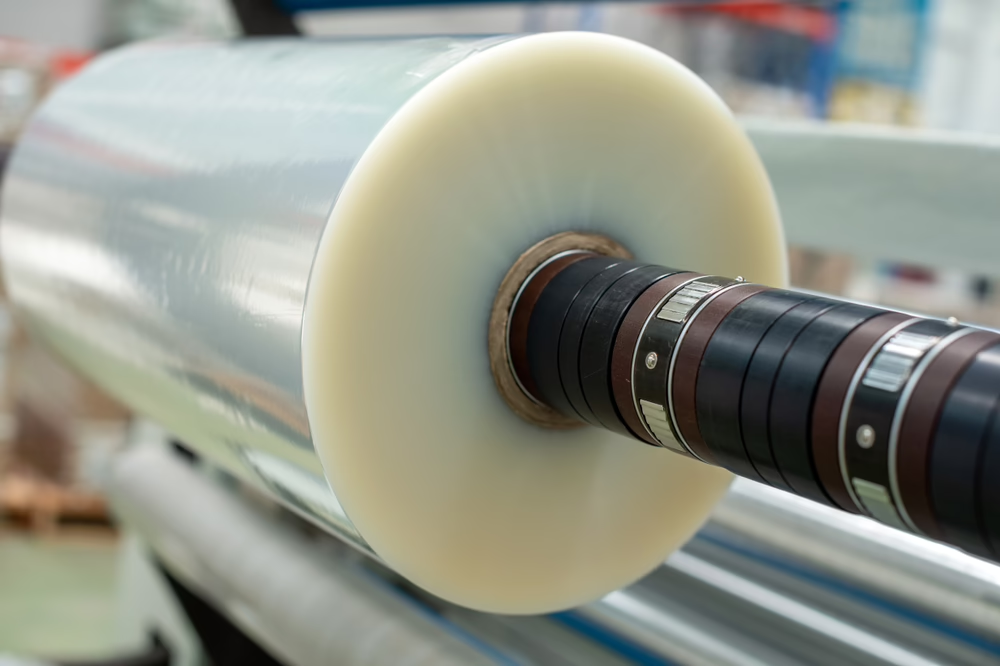
Because these materials are relatively inexpensive to produce, they remain dominant in high-volume flexible packaging markets. RTG Films provides custom slitting, rewinding, and conversion services for these low-density formats, delivering precise roll dimensions customized to your automated packaging lines.
High-Density Polyethylene Film Applications
Where low-density options prioritize flexibility, High-Density Polyethylene (HDPE) sacrifices visual clarity for serious structural rigidity and tensile strength. HDPE boasts a higher melting point and superior barrier properties because of its tightly packed molecular structure.
While alternative films bend easily, this higher density polyethylene film holds its shape under significant physical stress. Engineers explicitly select HDPE when structural integrity and protection matter more than transparency. Many industrial drums, chemical tanks, and heavy-duty shipping sacks rely on thick HDPE liners to prevent leaks and environmental contamination.
In the construction and environmental sectors, HDPE serves as a vital component for geomembranes and vapor barriers. These thick sheets resist punctures from gravel and construction debris, providing a long-lasting moisture seal. Its excellent chemical resistance also makes it the material of choice for landfill liners and mining containment pits, safely preventing hazardous materials from seeping into local groundwater.
Primary Uses in Packaging and Consumer Goods
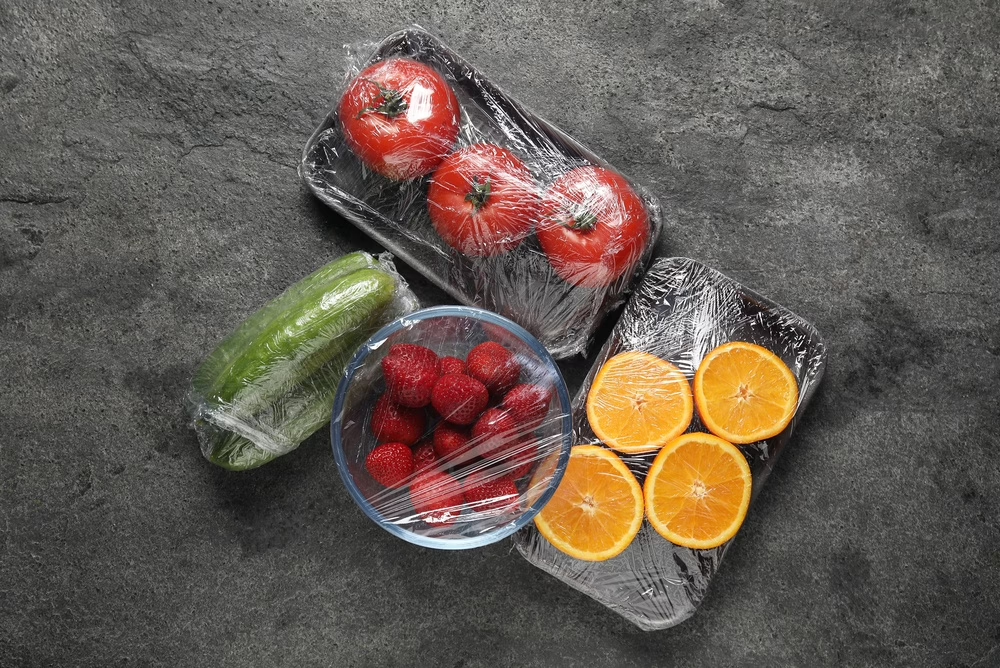
The flexible packaging sector consumes massive quantities of PE film annually, with food packaging representing the largest market share. Strict food safety requirements demand high-quality PE film to create a sanitary barrier against environmental contaminants and water vapor. This preservation is vital for extending the shelf life of household staples and reducing global food waste.
Common Consumer Goods Applications:
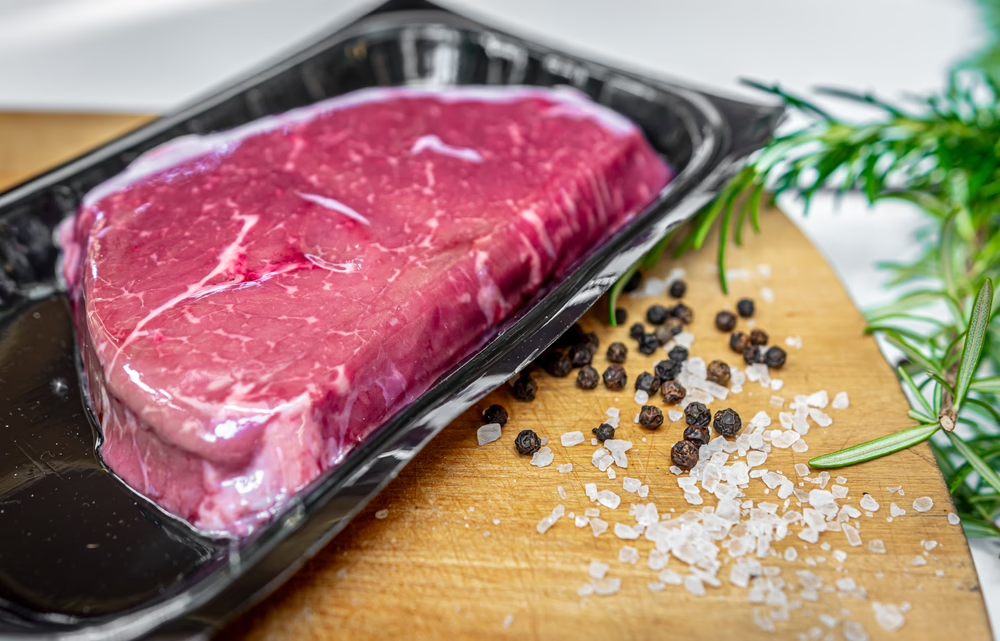
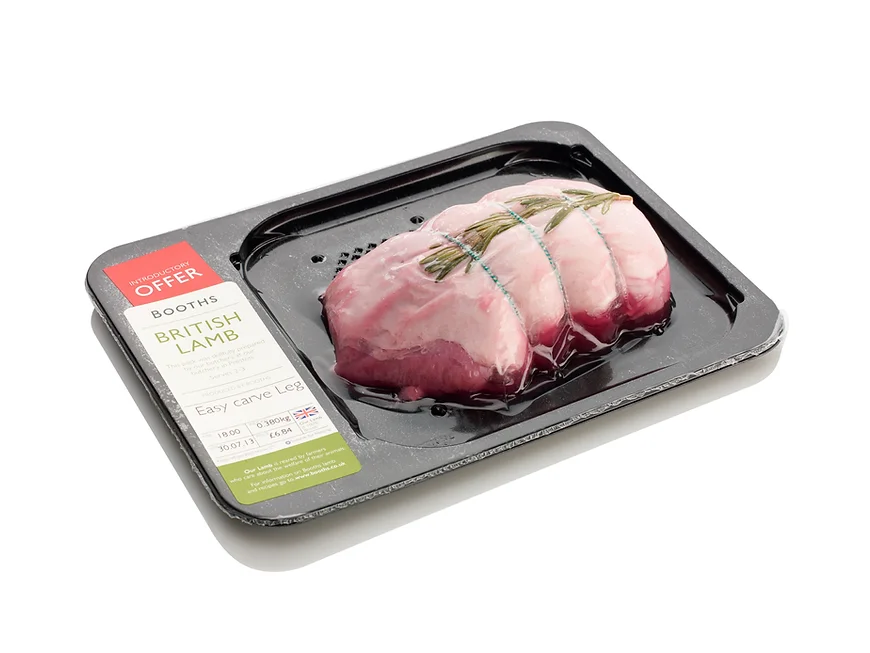
- Vacuum Sealing: Extends the freshness of meats and perishable goods.
- Retail Packaging: Used for everything from protective overwraps to attractive product displays.
- Bundling & Labels: Specialized heat-shrinkable films secure multi-packs tightly, while treated PE films serve as durable, printable bottle labels.
Pro Tip: When utilizing PE film on high-speed packaging lines, proper heat-seal temperatures are critical. Always calibrate your equipment based on the specific resin density to avoid material degradation and secure an airtight bond.
Industrial, Agricultural, and Construction Applications
Beyond the grocery aisles, heavy-duty PE films protect critical operations in agricultural fields and industrial job sites. In farming, a methodology known as plasticulture utilizes massive sheets of black PE film to cover crop beds. This practice conserves soil moisture, regulates ground temperature, and blocks sunlight to control aggressive weed growth; drastically reducing the need for chemical herbicides.
In heavy industry, robust PE liners protect expensive machinery, raw materials, and bulk liquids from moisture damage and environmental degradation during long-distance shipping. For highly sensitive operations, such as oil drilling, specialized chemical-resistant poly sheeting lines containment pits to meet strict environmental compliance with regulatory agencies like the U.S. Environmental Protection Agency.
Technical Specifications and Performance Metrics
To choose the right poly film, engineers evaluate specific metrics listed on technical data sheets. Balancing film thickness, measured in mils (one-thousandth of an inch) or microns, with performance properties secures optimal protection without adding unnecessary shipping weight.
| Performance Metric | Evaluation Method | Industrial Significance |
| Tensile Strength | ASTM D882 | Measures the maximum load a film can bear before tearing under tension. |
| Dart Drop Impact | ASTM D1709 | Evaluates puncture resistance by dropping a weighted dart from a fixed height. |
| WVTR (Water Vapor Transmission) | ASTM F1249 | Measures how much moisture passes through the film barrier over 24 hours. |
| Elongation at Break | ASTM D882 | Determines how far the film stretches before fracturing. |
| Haze and Clarity | ASTM D1003 | Quantifies light scattering to define visual transparency for retail goods. |
How to Choose the Right Polyethylene Film
Selecting the ideal film requires an in-depth look at your operational demands. RTG Films simplifies this process by offering technical consulting alongside our robust warehousing and logistics infrastructure, keeping your inventory costs low and production steady.
When choosing a film, evaluate these four pillars:
- Physical Stress Factors: Note any sharp edges, heavy weights, or extreme transit temperatures.
- Barrier Requirements: Determine if your product requires strict defense against oxygen, moisture, or odor transfer.
- Machinery Compatibility: Match the film’s roll profile, slip additives, and heat-sealing window to your existing automated equipment.
- Sustainability Targets: Balance performance with green initiatives by exploring down-gauged high-strength films or recyclable mono-material structures.
Partner with RTG Films for Expert Material Solutions
Finding the ideal balance of polymer grades, additive packages, and conversions requires an experienced technical partner. RTG Films combines industry-leading supply chain logistics with deep manufacturing expertise to deliver top-tier plastic films customized to your commercial specifications.
Ready to optimize your packaging efficiency and minimize material waste? Contact the specialists at RTG Films today to request a custom product consultation, review technical data sheets, or receive a competitive quote for your next production run.