
Modern consumers often judge food by its visual appearance first, before even checking the price. The shelves of supermarkets are packed with various foods, each trying to stand out through its design and colors. And for the food manufacturers, there is a task of combining this visual aspect with an efficient food preservation system.
Vacuum skin packaging forms a sealed package that conforms to the natural shape of the item, thus safeguarding fragile proteins and processed foods during transport. Through oxygen removal and reducing product degradation, vacuum skin packaging enables the maintenance of the qualities of foods from factory floor to table top.
What is Vacuum Skin Packaging?
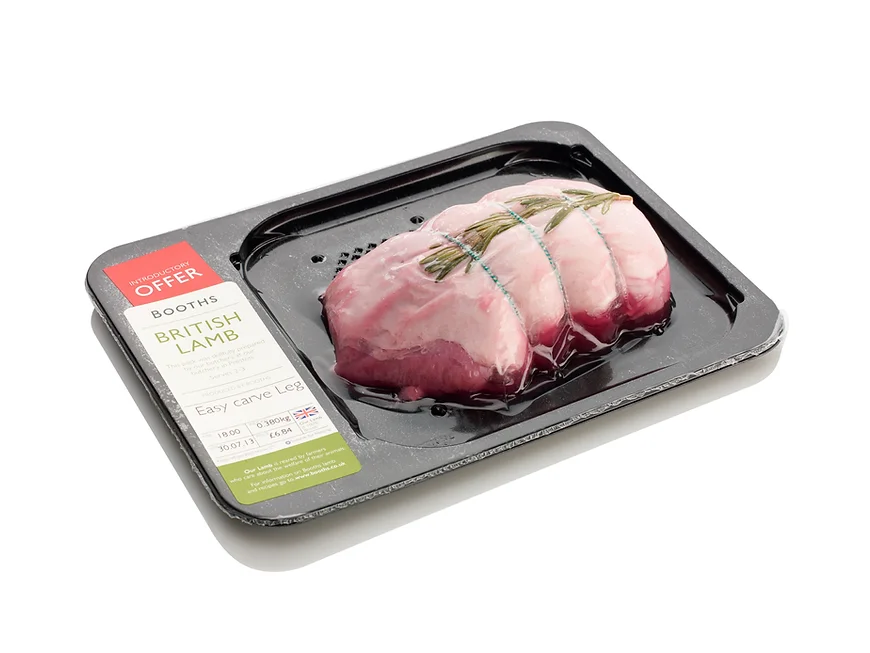
Vacuum skin packaging film is an innovative type of flexible packaging that involves sealing the product under a vacuum within a rigid or semi-rigid backing material. The film forms a “second skin” around the product, removing all air present.
While regular vacuum pouches or clamshells result in what is called “drip loss,” VSP avoids this problem by making sure no liquid pools on the packaging. As such, the package appears very attractive and clean, making it ideal for meat, seafood, and dairy products.
How the VSP Process Works
Setting up a VSP line requires smooth collaboration of dedicated equipment with multilayered polymer sheets. Whether the process is done through a semi-automated tray sealer or an automated thermoforming machine, it involves three basic steps:
Step 1: Prepare and Load the Base
The product is placed onto a rigid tray or a sturdy paperboard backing, which provides support and keeps the product from moving during the process of high-pressure sealing.
Operational Tip: Make sure that the base material is thoroughly dried before placing the product since it has to be airtight with the top film.
Step 2: Apply Heat and Vacuum
A controlled heating mechanism is employed to soften the top plastic film layer. Simultaneously, a strong vacuum removes all the oxygen in the sealing area.
Step 3: Secure the Hermetic Seal
The softened film layer is then placed on top of the product. The vacuum acts on it, pulling it down and making sure that the film wraps around every corner of the product perfectly.
This fast process happens in just a few seconds. Nowadays, most automated production lines feature sophisticated weighing and labeling devices, helping facilities package thousands of products per hour.
Core Materials and Components
The effectiveness of the vacuum skin packaging process depends significantly on material science. With the help of modern co-extruded polymers, it is possible to achieve thin and strong barriers resistant to perforations and leakage, but still highly transparent.
Rigid Base Trays
The first layer should have sufficient structure to be able to hold up against transportation and handling without buckling. Manufacturers usually choose from among three major types of materials:
- CPET (Crystalline Polyethylene Terephthalate): Ideal for thermal resistance, commonly employed in ovenable applications.
- PP (Polypropylene): Strong and extremely economical for regular refrigerated products.
- Specialized Paperboard/Cardboard: A more sustainable option gaining popularity, which gives an elegant look and facilitates waste sorting in municipalities.
High-Barrier Skin Films
The upper film layer serves as the first line of protection from external contaminants. Designed with remarkable transparency, the film emphasizes the natural beauty of the product.
Modern skin films are typically multi-layered, including the use of an EVOH layer to prevent the passage of oxygen and moisture. Furthermore, these films are made of material that has “shape memory,” which means they stay tight despite movement while being transported.
Key Benefits for Producers and Retailers
Switching to VSP offers measurable operational and financial improvements across the food supply chain.
| Feature | Traditional Packaging (MAP/Trays) | Vacuum Skin Packaging (VSP) |
| Oxygen Presence | Displaced via gas, headspace remains | Completely eliminated; zero headspace |
| Product Security | Items can shift and leak | Firmly locked in place; zero migration |
| Display Versatility | Horizontal/flat display only | Horizontal or vertical pegboard hanging |
| Shelf-Life Extension | Moderate | Maximum reduction in microbial growth |
Shelf-Life Extension
The presence of oxygen is what mainly contributes to the growth of bacteria, oxidation of fats, and spoilage. By removing all the air, VSP inhibits bacterial multiplication and stops the process of rancidity in fatty foods such as salmon and marbled steaks. This safely extends shelf life by days or weeks, allowing producers to expand their distribution radius and helping retailers minimize costly markdowns.
Premium 3D Presentation
VSP gives the product a good-looking and three-dimensional appearance, giving the impression that the cuts of meat or seafood are freshly prepared. Consumers have total trust in the product since they get to see the whole product from all angles.
Countering Freezer Burn and Leakage
Traditional packaging allows moisture to escape the food and freeze in the surrounding air pockets, resulting in freezer burn. VSP makes sure that there are no air pockets, providing protection for frozen foods. In addition, the secure perimeter seal prevents any leaks from occurring, allowing retailers to hang items vertically to maximize space.
Ideal Applications in the Food Industry
VSP is highly versatile and adapts beautifully to irregularly shaped or premium products. Key industry applications include:
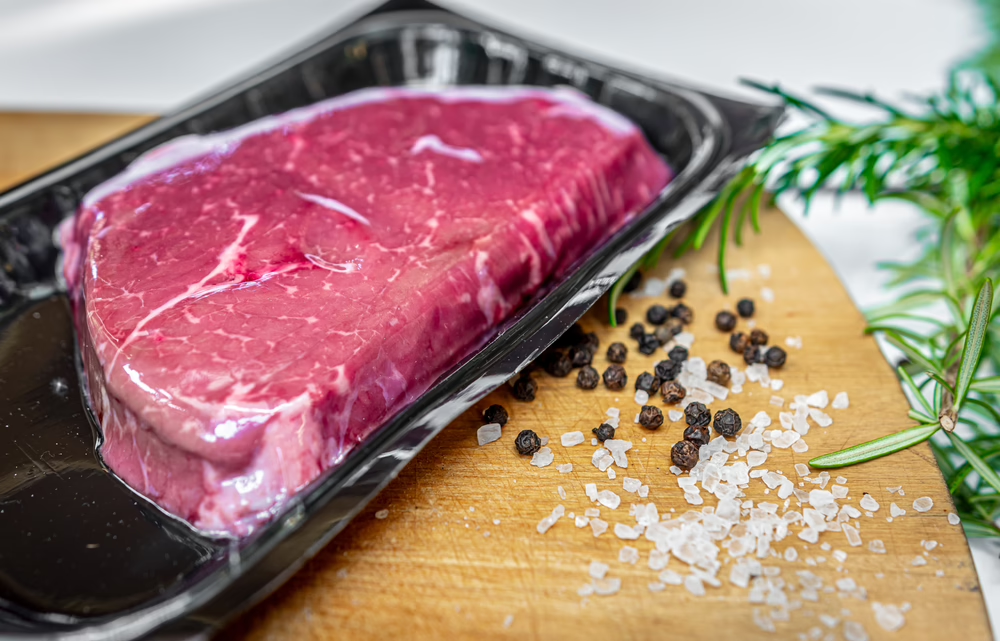
- Fresh Red Meat & Poultry: Keeps premium steaks, ground beef, and poultry looking vibrant against dark backing boards.
- Seafood: Protects delicate fresh fish fillets, shrimp, and shellfish without crushing them.
- Ready-to-Eat Meals: Keeps distinct components (like sauces and starches) separated during transit. Many VSP films are microwave- or oven-safe, allowing consumers to heat the meal directly in the tray.
- Artisanal Cheeses & Cured Meats: Prevents moisture loss and preserves complex flavor profiles.
- Plant-Based Alternatives & Raw Pet Diets: Provides clean, high-end presentation for specialized consumer demographics.
Upgrading Facilities with Modern Equipment
Scaling up production requires investing in hardware that matches your volume goals. Current technology used for VSP is characterized by high accuracy when controlling temperature and vacuum.
During the process of integrating new machinery, it is crucial to consider that quick changeovers of machines are essential for working with various trays. Furthermore, today’s equipment frequently connects directly to facility networks for real-time monitoring, data tracking, and preventative maintenance.
Because these machines handle sensitive operational parameters, maintaining robust site connection security is vital. Protecting your automated line’s data with secure connections prevents unauthorized adjustments and allows manufacturers to safely utilize remote technical support for troubleshooting without needing physical site visits.
Ready to elevate your product presentation and maximize shelf life? Contact RTG Films for a trusted partner for next-generation packaging solutions. We provide an in-depth suite of premium high-barrier skin films and rigid base materials engineered to perform flawlessly on modern automated lines. Beyond our top-tier product catalog, our team brings decades of technical expertise to help you optimize your facility’s throughput, reduce material waste, and transition smoothly to sustainable alternatives.