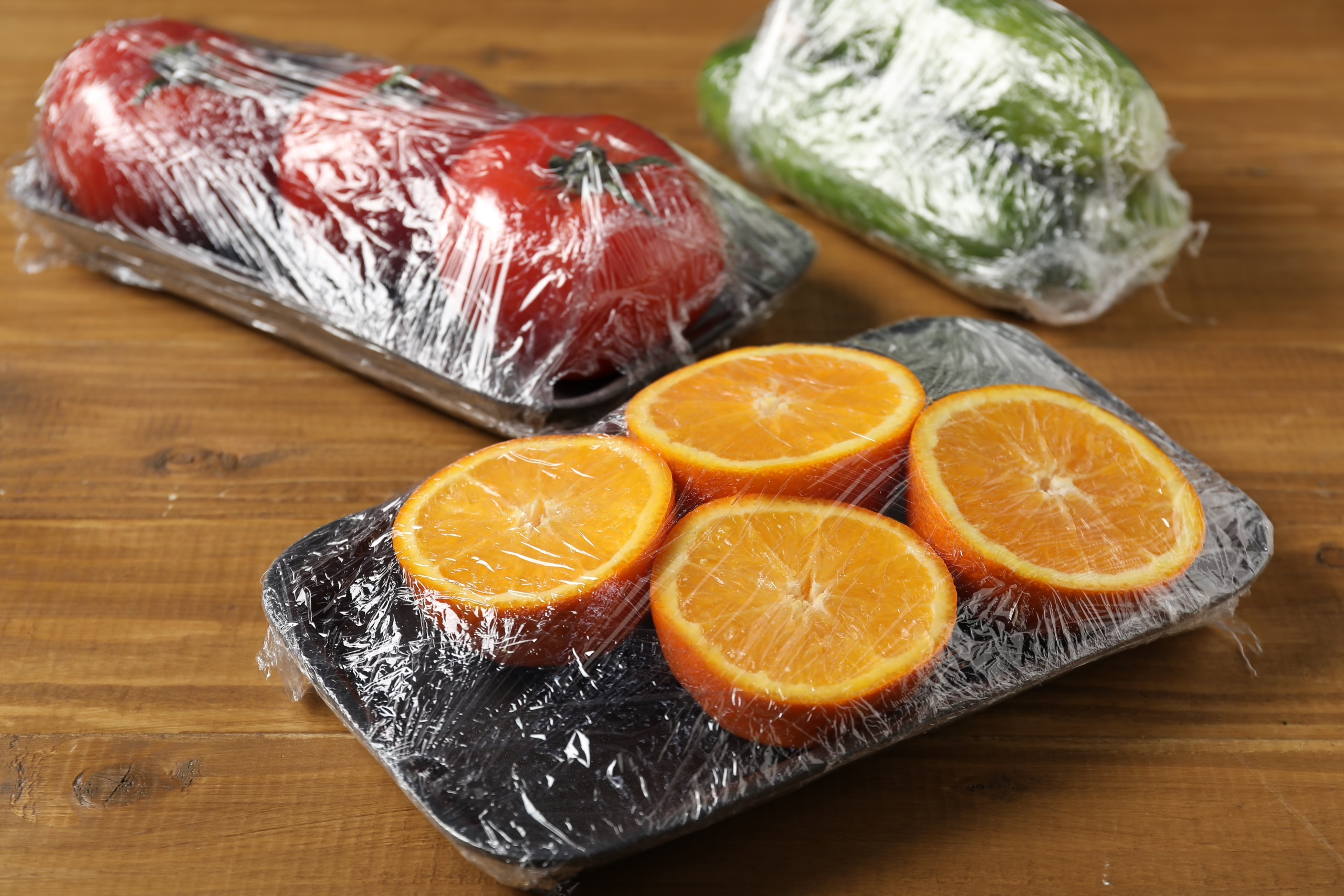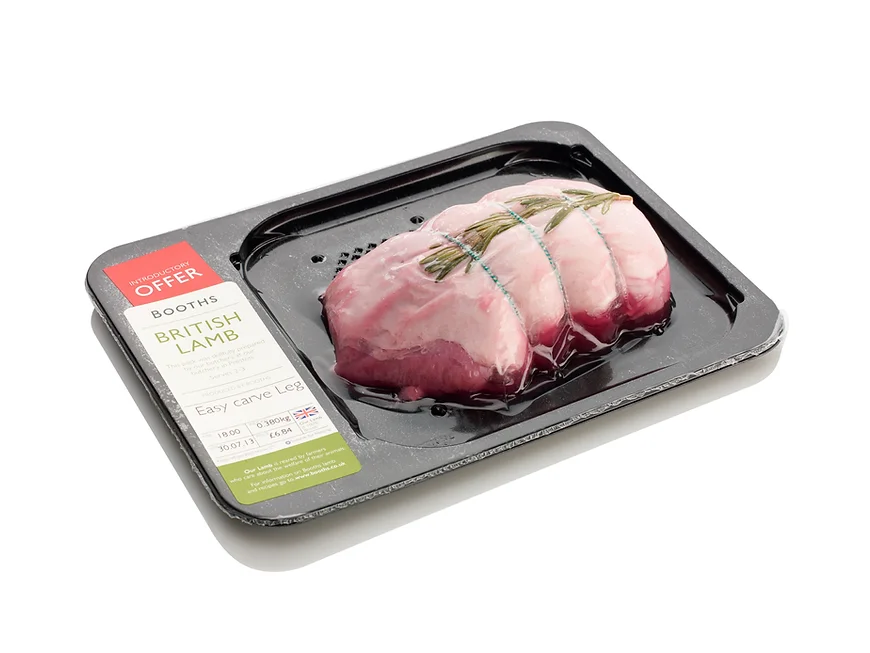


The modern packaging industry is currently experiencing a massive global transition toward highly sustainable and renewable material alternatives. Plant-based biodegradable plastic film is increasingly replacing traditional petroleum-based plastics on grocery store shelves across the United States. Understanding exactly how PLA films are made helps stakeholders appreciate the impressive engineering behind modern sustainable packaging solutions.
Manufacturers transform simple plant sugars into high-performance packaging materials through highly controlled chemical and mechanical industrial processes. This incredible transformation requires precise temperature parameters and specialized industrial equipment to achieve the desired physical results. The resulting compostable film looks virtually identical to traditional plastic but possesses the unique ability to break down naturally under commercial municipal composting conditions. As plastic film manufacturers, we prioritize these advanced materials to help our clients meet rigorous environmental standards without sacrificing clarity or performance.
The Agricultural Foundation: From Field Corn to Lactic Acid
Before any factory production begins, manufacturers must source the right foundational ingredients to build a strong, reliable polymer. Traditional plastics rely heavily on crude oil extraction and harsh chemical processing at massive industrial refineries. Polylactic acid (PLA) film takes a completely different approach by utilizing renewable resources; primarily common industrial field corn.
Large agricultural facilities harvest the field corn and extract the natural starches hidden deep inside the kernels. Workers process this raw starch into fermentable sugars using heated water and specific natural biological enzyme catalysts. Microorganisms then consume these sweet sugars during a highly controlled corn starch fermentation process monitored closely by industrial biologists.
This biological reaction produces liquid lactic acid, which serves as the fundamental building block for these bioplastics. Chemical engineers must then link these individual lactic acid molecules together into incredibly long and complex chains. They utilize a specific chemical reaction called “ring-opening polymerization” to create the raw polylactic acid base resin.
Once the reaction is complete, the processing factory forms this raw bioplastic resin into small solid pellets that look like clear glass beads. These raw plastic pellets are then shipped directly to specialized packaging manufacturers who melt them down into thin sheets. Converting solid resin pellets into a microscopic thin sheet requires massive, high-precision industrial extrusion machinery. Organizations like RTG Films, Inc. understand that the quality of this initial resin dictates the strength and clarity of the final film used in food and consumer goods packaging.
The Manufacturing Process: A Step-by-Step Guide to Bioplastic Extrusion
The manufacturing process for PLA demands exact environmental controls because bioplastics react differently than petroleum-based resins to ambient heat and atmospheric moisture. Machine operators must dry the raw plastic pellets completely before they enter the main factory production line. Even a tiny, microscopic amount of trapped moisture can ruin the structural integrity of the final product, leading to “bubbles” or weak points in the film.
How to Extrude Polylactic Acid Successfully
- Melt the Bioplastic Resin: Heat the raw pellets precisely inside the extrusion barrel. PLA has a narrower processing window than polyolefins, so temperature must be managed to avoid material degradation or burning.
- Shape the Molten Plastic: Push the hot liquid material forcefully through specialized metal extrusion dies to create the desired profile.
- Cool the Extruded Material: Rapidly drop the material temperature using heavily chilled metal rollers or pressurized cooling air rings to set the “memory” of the plastic.
- Wind the Final Roll: Collect the finished transparent sheet tightly onto massive industrial cores for immediate commercial shipment or secondary conversion.
Primary Production Techniques: Cast Film vs. Blown Film
Facilities generally choose between two primary mechanical methods to manufacture these sustainable, transparent commercial wrappers. The chosen PLA film manufacturing process directly dictates the final physical properties of the specific commercial food packaging material. Both processes start with the same basic extrusion technology but diverge significantly during the critical cooling phase.
Cast Film Extrusion: The Pursuit of Optical Clarity
The cast film method produces exceptionally clear plastic sheets with incredibly high dimensional stability, which is essential for high-speed commercial printing applications. The massive industrial extruder pushes the molten bioplastic through a flat, rectangular metal shaping die. This creates a continuous “curtain” of hot liquid plastic that drops immediately onto a chilled metal roller.
The rapid chilling process freezes the molecular structure of the hot plastic in place almost instantly. Cast production lines run at high speeds and generate massive volumes of material daily. The resulting flat sheets work perfectly for rigid applications like fresh produce containers and clear bakery window boxes. RTG Films, Inc. often recommends cast PLA for applications where glass-like clarity is the top priority for brand owners.
Blown Film Extrusion: Creating Flexible Strength
The blown film technique involves pushing the melted resin through a circular die while simultaneously injecting pressurized air inside. This internal air pressure expands the hot liquid plastic into a massive, extremely thin-walled floating transparent bubble. The plastic bubble travels upward through a tall cooling tower until the material solidifies into a functional compostable film.
This manufacturing technique creates materials with excellent mechanical strength, as the plastic is stretched in multiple directions simultaneously during the “blowing” process. The factory eventually collapses the cooled plastic bubble and cuts it into flat sheets for printing and bag-making. Blown production is often favored for flexible pouches and liners where tear resistance is vital.
Overcoming Technical Challenges in PLA Manufacturing
Working with plant-based polymers presents several distinct mechanical hurdles for factory engineers. Conventional petroleum plastics are often more “forgiving” regarding minor temperature fluctuations. Polylactic acid film, however, degrades rapidly if the extrusion barrel gets too hot or if the material sits idle in the machinery for too long.
Managing Thermal Profiles and Brittleness
Machine operators must monitor the thermal profile of their equipment continuously throughout the entire shift. Brittleness remains another significant physical hurdle during the production cycle of these natural plastics. Pure PLA film can be prone to cracking or shattering under sudden physical impact or heavy mechanical stress.
To solve this, expert chemists often blend the raw resin with other flexible biopolymers to improve the final material’s tear resistance. These careful chemical formulations give the natural material the toughness needed for high-speed automated commercial food packaging lines. At RTG Films, Inc., we make sure that our PLA films are properly formulated to handle the rigors of modern supply chains.
Dealing with Static and Tension
Static electricity also causes major production headaches on the fast-paced industrial factory floor. The continuous friction of plastic moving over metal rollers generates massive static electrical charges. Facilities must install specialized anti-static equipment to prevent the thin sheets from clinging to the machinery. Proper mechanical tension control is also required to prevent the delicate web from snapping during the winding process.
Why Industry Leaders are Switching to PLA and Compostable Solutions
Corporations are transitioning to bioplastics primarily to meet aggressive corporate sustainability goals. Consumers are actively demanding eco-friendly alternatives to conventional petroleum-based commercial food packaging. PLA film offers several key advantages that make it a leading contender in the green revolution:
- Carbon Footprint: PLA generates significantly fewer greenhouse gas emissions during its initial agricultural growth and production cycle compared to fossil-fuel plastics.
- End-of-Life Scenarios: Compostable film entirely avoids adding permanent waste to landfills when processed in industrial composting facilities.
- Aroma and Flavor Barriers: These materials provide excellent barriers for sensitive products, making them ideal for fresh perishable foods and premium roasted coffee beans.
- Printability: The natural stiffness of the material allows for vibrant graphic color reproduction. Marketing brands appreciate how artwork “pops” on the glossy, high-clarity surface of RTG Films, Inc. products.
Future Innovations: The Next Generation of Bioplastics
The chemical science behind sustainable materials improves every month at major agricultural research universities. Researchers are currently testing new agricultural feedstocks like sugar beet pulp and leftover farm harvest waste. Moving away from food-grade field corn helps stabilize the global raw material supply chain and reduces competition with food sources.
Chemical engineers also experiment constantly with advanced multi-layer co-extrusion manufacturing technologies. By combining extremely thin microscopic layers of different biopolymers, they can create superior moisture and oxygen protective barrier films. This structural engineering allows plant-based materials to compete directly with high-barrier fossil fuel plastics.
Furthermore, Artificial Intelligence is now helping modern factories optimize their mechanical extrusion parameters in real-time. Smart digital sensors detect microscopic thickness variations in the plastic sheet and adjust the machinery automatically. This advanced technological integration reduces material waste and improves the overall quality of the production run.
Conclusion: The Sustainable Future of Packaging
Understanding how PLA films are made reveals the incredible scientific intersection of traditional agriculture and advanced engineering. We have moved far beyond simple petroleum extraction to create high-performance sustainable packaging that supports a circular economy. The journey from a rural field of corn to a clear, functional wrapper requires intense scientific precision and a commitment to quality.
As the packaging industry continues its shift toward renewable resources, companies like RTG Films, Inc. remain at the forefront, providing the expertise and materials needed to make the transition successful. Every manufacturing step, from fermentation to extrusion, contributes to a product that protects both the consumer’s goods and the fragile natural environment for many future generations. Contact us today to get started.