
You likely interact with polypropylene film every single day without even realizing it. This versatile material wraps your favorite snacks, protects important documents, and serves as a crucial component in electrical capacitors. It is a thermoplastic polymer that manufacturers prize for its specific balance of toughness, clarity, and heat resistance. Businesses across the globe rely on this material because it solves packaging challenges that other plastics simply cannot handle.
The material is known for being rugged and unusually resistant to many chemical solvents, bases, and acids. This makes it a top choice for industrial applications where durability is non-negotiable. Unlike some other plastics that degrade quickly under stress, this film holds up well against physical damage and environmental factors. Its ability to act as a barrier against moisture and vapor keeps products fresh and safe for longer periods.
Understanding the capabilities of this flexible packaging film helps you make better decisions for your packaging or industrial needs. It is not just about wrapping a product; it is about preserving quality and maintaining integrity from the factory to the consumer. We will look at exactly what makes this material stand out, how it compares to alternatives, and why it might be the right solution for your specific application.
The Fundamental Material Properties
Polypropylene film is derived from the polymerization of propylene monomers. This chemical process creates a material that is both lightweight and incredibly strong. One of its defining characteristics is its high melting point, which typically sits around 320°F (160°C). This allows the film to withstand hot-fill applications and sterilization processes that would melt other plastics like standard polyethylene.
The physical properties of this material include excellent resistance to fatigue. You can flex it, bend it, and twist it repeatedly without it breaking or cracking. This “living hinge” capability is why you often see it used in flip-top bottles and durable containers. Additionally, the film offers high gloss and high clarity, which improves the visual appeal of retail products on store shelves.
Another critical aspect is its chemical resistance. It stands up remarkably well to fats, oils, and organic solvents. This makes it ideal for packaging oily foods or industrial chemicals that might attack other types of plastic materials. The film provides a solid defense, preventing leaks and contamination in challenging environments.
Key Takeaways
- Polypropylene has a high melting point suitable for hot-fill packaging.
- The material offers exceptional resistance to fats, chemicals, and physical fatigue.
- High clarity and gloss make it an excellent choice for retail display.
Primary Types of Polypropylene Films
Not all polypropylene film is created equal. The manufacturing process significantly alters the final characteristics of the product. The two most common variations you will encounter in the market are Cast Polypropylene (CPP) and Biaxially Oriented Polypropylene (BOPP). Each serves a distinct purpose depending on the requirements of the final application.
Cast Polypropylene (CPP)
CPP is an un-oriented film, meaning the polymer chains are not stretched in any particular direction during production. This results in a material with good flexibility and higher impact resistance at low temperatures. It is often used for heat sealing applications because it seals at lower temperatures than its oriented counterpart. You will frequently find CPP used in the textile industry for packaging clothing or as the sealant layer in multi-layer flexible packaging structures.
Biaxially Oriented Polypropylene (BOPP)
BOPP films are stretched in two directions—machine direction and transverse direction—during manufacturing. This orientation process dramatically increases tensile strength and stiffness. It also improves clarity and barrier properties against water vapor and oxygen. BOPP is the standard for snack food packaging, such as chip bags and candy wrappers, because it keeps products crisp and visually appealing.
Comparing Polypropylene and Polyethylene Film
It is easy to confuse different types of plastic, but the differences between polypropylene and polyethylene film are significant. While both are hydrocarbons and share some similarities, they behave differently under stress and heat. Polyethylene (PE) is generally softer, more pliable, and has a lower melting point. It is the material of choice for grocery bags and stretch wrap.
Polypropylene offers higher tensile strength and is much stiffer than PE film. If you try to stretch a piece of polypropylene, it will resist strongly before eventually snapping or deforming permanently. In contrast, low-density polyethylene stretches easily and is very forgiving. This makes PE better for applications requiring extreme stretch, while polypropylene is superior for applications requiring structural integrity and dimensional stability.
Clarity is another major differentiator. Polypropylene naturally offers better transparency, making it a clear film of choice for showcasing products. Polyethylene tends to be hazier or milky in appearance, especially in thicker gauges. If your goal is to let the consumer see the product inside the package with perfect clarity, polypropylene is usually the better option.
Pro Tip: Choose polypropylene when you need high heat resistance and clarity. Opt for polyethylene if you need a soft, stretchy film for bundling items together.
Common Applications in Industry
The versatility of polypropylene allows it to function in a wide array of sectors. From protecting food to insulating electrical components, this polymer film is a workhorse material. Its adaptability to different manufacturing processes like metalizing and laminating further expands its utility.
Food Packaging Solutions
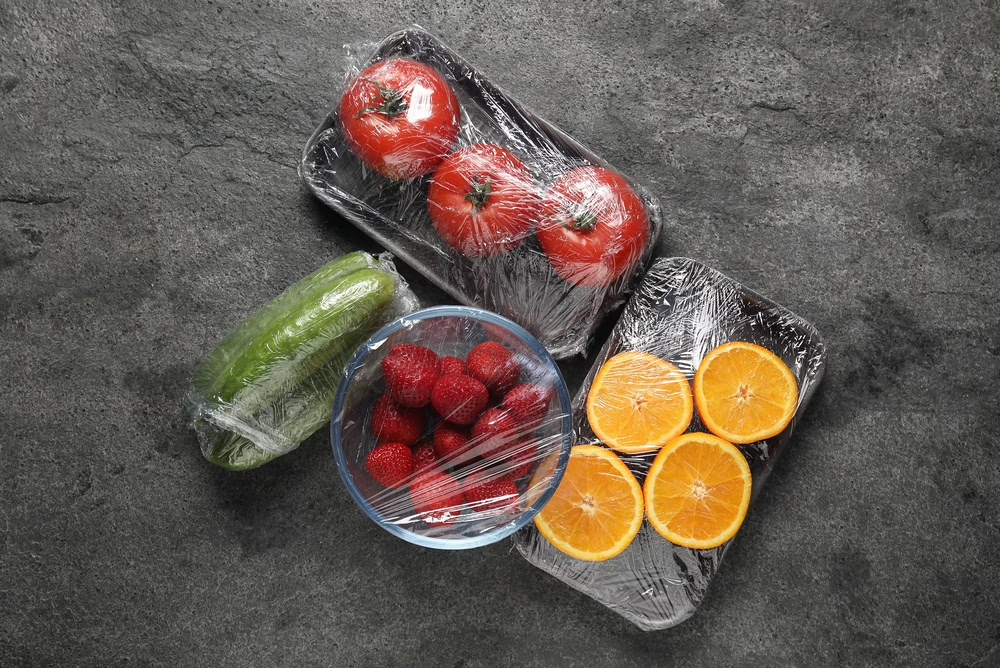
Food packaging is the largest market for this material. Its ability to act as a barrier to moisture and odors makes it perfect for packaging food items that need to stay fresh. You see it used for produce bags, bakery wraps, and confectionery packaging. The film prevents the transfer of external flavors into the food and keeps internal moisture from escaping, which is vital for products like salad greens or fresh herbs.
Industrial and Technical Uses
Beyond the grocery store, industrial packaging relies heavily on this film. It is used for tape liners, release films, and as a dielectric in high-performance capacitors. Because it has high temperature resistance and excellent electrical properties, engineers specify it for power systems and electronic devices. It also serves as a masking film in the automotive industry during painting processes due to its resistance to high temperatures.
Medical and Pharmaceutical
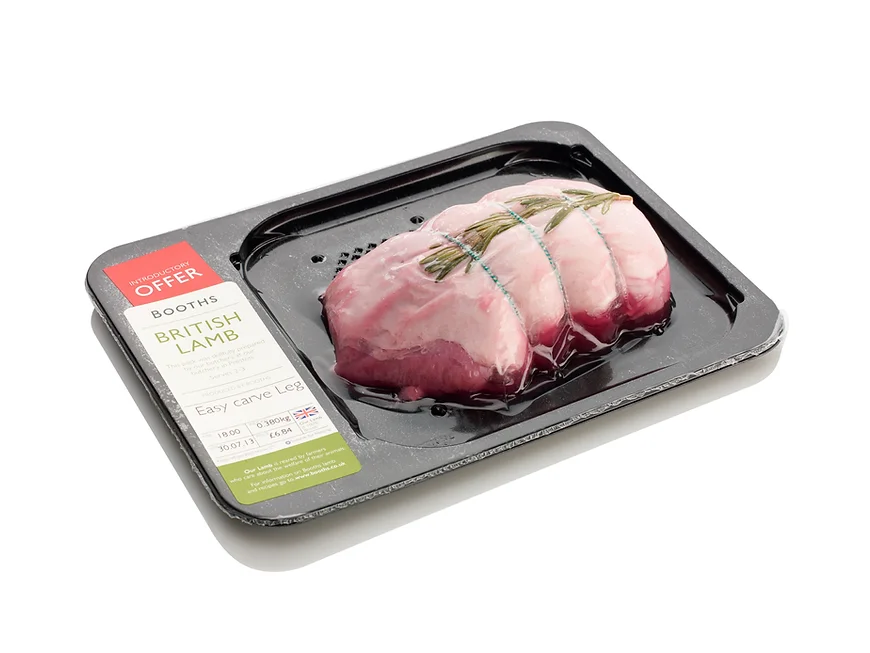
In the medical field, the ability to withstand sterilization is paramount. Polypropylene films are used in the packaging of medical devices that must be autoclaved. The film maintains its structural integrity under the high heat and pressure of steam sterilization, keeping the instruments inside sterile until they are ready for use. This reliability is critical for patient safety and regulatory compliance.
Performance and Durability Factors
When selecting a film, engineers look closely at specific metrics. Tensile strength is a measure of how much force the material can withstand while being stretched before breaking. Polypropylene excels here, offering high tensile capabilities that allow for thinner films to do the work of thicker, heavier materials. This down-gauging saves money and reduces waste.
The material also boasts chemical resistance high enough to contain aggressive substances. Acids, alkalis, and degreasers that would eat through other packaging films are safely contained by polypropylene. This makes it a safe choice for household cleaners and automotive fluid packaging. Additionally, the film provides a moderate barrier to water vapor, which is essential for preventing dry goods from becoming stale or soggy.
Heat sealing properties are another advantage. While BOPP requires a coating or a co-extruded layer to seal effectively, cast polypropylene seals naturally. This allows manufacturers to create hermetic seals that prevent leaks and contamination. The seal strength is generally high, making sure that packages do not pop open during transit or rough handling.
Key Takeaways
- Polypropylene offers high tensile strength, allowing for thinner, stronger packaging.
- Its chemical resistance makes it safe for packaging aggressive industrial fluids.
- The material withstands sterilization, making it ideal for medical applications.
Environmental Considerations
Sustainability is a major topic in the packaging world today. Polypropylene is considered environmentally friendly compared to some other plastics like PVC. It is fully recyclable, and many communities now accept it in their recycling programs. Because it is a low-density material, less of it is needed by weight to create the same amount of packaging surface area compared to denser plastics.
The production of polypropylene films also consumes less energy than the production of many other polymer types. When incinerated at waste facilities, it burns cleanly without producing toxic halogens or heavy metals. However, the challenge remains in collection and sorting. While the material is recyclable, it must be clean and separated from other types of plastic to be processed effectively.
Many companies are moving toward mono-material packaging structures. Instead of laminating polyester to polyethylene, they are using different grades of polypropylene for all layers. This makes the entire package easier to recycle, as it does not need to be separated into different components. This shift supports a circular economy and reduces the volume of plastic ending up in landfills.
Choosing the Right Film Grade
Selecting the correct film grade depends entirely on your end use. If you need a film that will shrink tightly around a product when heated, you would look for a specific shrink wrap formulation of polypropylene. If you need a label that resists water and tearing, a BOPP film is likely your best bet. The variety of film products available means there is almost always a solution customized to your problem.
When sourcing these materials, especially online, pay attention to the details. Suppliers often provide data sheets listing the coefficient of friction, haze percentage, and yield strength. If you are ordering samples, you might be asked to agree to a privacy policy or terms of service. It is smart to review these to understand how your business information is stored and used.
For heavy-duty industrial films, you might prioritize higher tensile strength and puncture resistance. For consumer goods, optical properties like gloss and haze take precedence. Understanding the trade-offs between these properties helps you find the most cost-effective and functional material for your project. Consult with polypropylene film manufacturers to verify that your choice meets all regulatory requirements for your specific industry.
Advanced Manufacturing Techniques
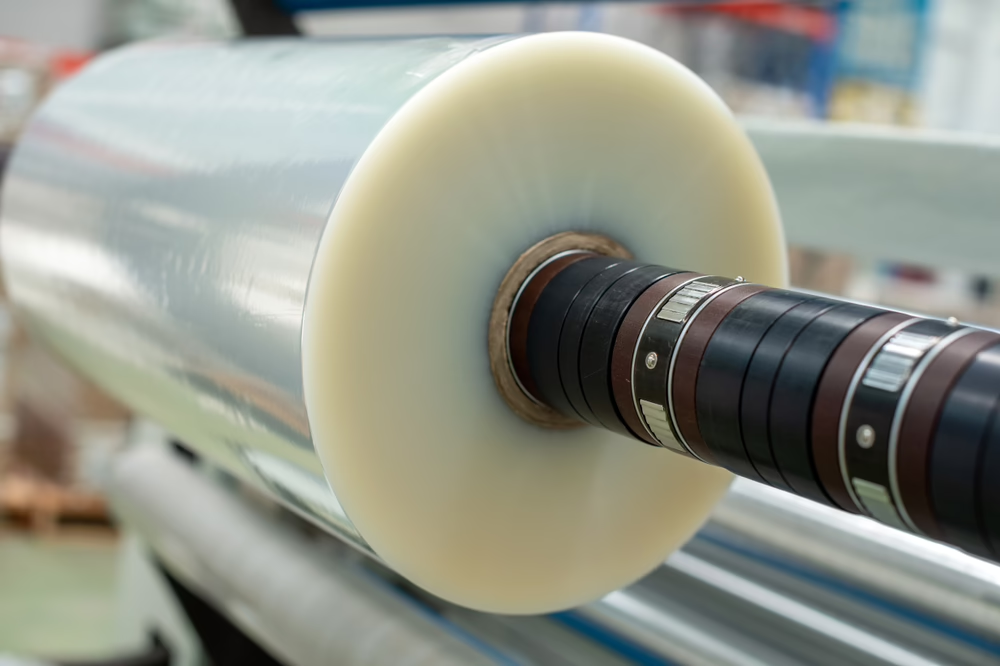
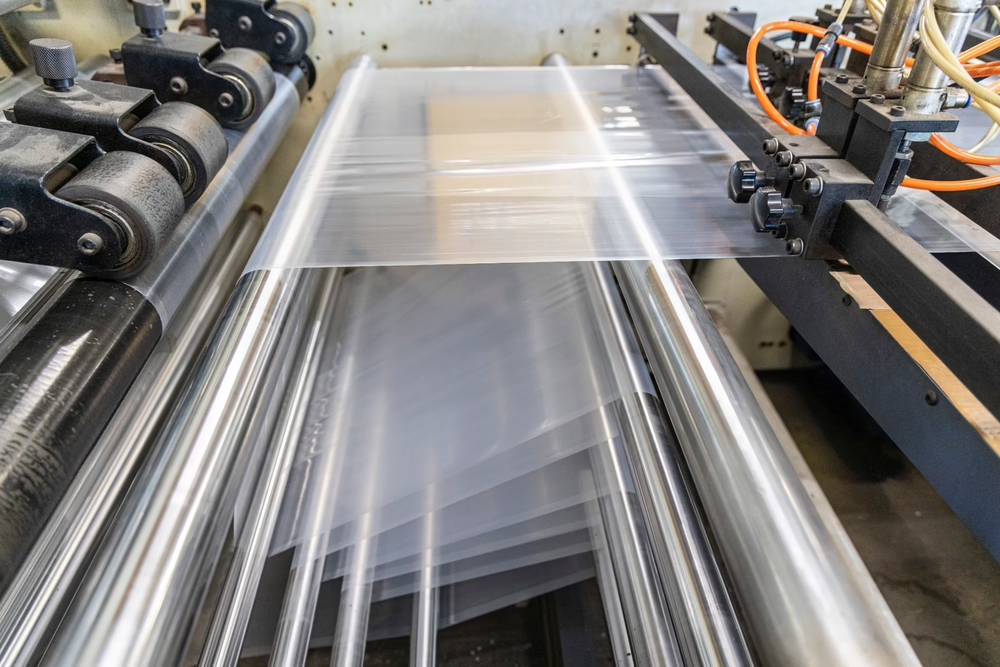
The creation of these films involves sophisticated technology. Extrusion is the primary method, where raw plastic pellets are melted and forced through a flat die. For cast films, the molten plastic falls onto a chilled roller, solidifying instantly. This rapid cooling controls the crystalline structure, giving the film its clarity and flexibility.
For oriented films, the process is more complex. After extrusion, the sheet is heated and stretched. This stretching aligns the polymer chains, which is what gives the film its incredible strength and barrier properties. Manufacturers can adjust the amount of stretch to fine-tune the properties. A higher stretch ratio typically results in higher tensile strength and better barrier performance but may reduce sealability.
Coatings are often applied after the film is made. Acrylic coatings can improve the aroma barrier and seal strength. PVdC coatings offer superior oxygen and moisture barriers. Metalizing the film with a thin layer of aluminum creates a high-barrier material that looks like foil but is lighter and more flexible. These value-added processes allow a single base material to serve hundreds of different applications.
Conclusion
Polypropylene film is a powerhouse in the world of modern materials. Its unique combination of high heat resistance, chemical durability, and optical clarity makes it indispensable for everything from food packaging film to industrial insulation. It outperforms polyethylene film in applications requiring stiffness and temperature stability, while offering a recyclable option for sustainability-conscious brands.
Whether you are designing a new snack package or sourcing insulation for electronic components, this material delivers reliable performance. By understanding the differences between cast and oriented films, and knowing which properties matter most for your application, you can select the perfect film materials for the job. As technology advances, we can expect even more innovative uses for this versatile polymer film in the future.