
Polyethylene and polypropylene make up the large majority of flexible packaging film produced in North America, yet the two resins behave very differently once they reach a sealing jaw or a shrink tunnel. A polyethylene shrink bundling film collapses tightly around a tray of beverage bottles at temperatures that would barely soften an oriented polypropylene web. Understanding where each material earns its place prevents costly trial runs on a live packaging line.
Two Resins, Two Molecular Backbones
Polyethylene (PE) is built from simple ethylene units, and small changes in branching produce grades that range from standard LDPE at roughly 0.915 g/cm³ (and even lower for ultra-low-density plastomers) to rigid HDPE near 0.960 g/cm³. Polypropylene (PP) adds a methyl group to every other carbon, which raises crystallinity and stiffness while keeping density lower at about 0.905 g/cm³.
That structural difference drives nearly every performance gap between the two families. PE melts in the 220°F to 275°F range depending on density, while PP homopolymer does not soften until roughly 320°F to 330°F. Processors feel this difference immediately in seal dwell times, tunnel settings, and extrusion temperatures.
Strength: Puncture Resistance Versus Stiffness
PE wins on toughness under impact. Linear low-density grades absorb dart impact and resist propagating tears, which is why heavy-duty sacks, pallet stretch wrap, and bundling films rely on them for loads with sharp corners.
PP, particularly biaxially oriented polypropylene (BOPP), wins on tensile strength and stiffness. Oriented PP commonly tests in the 20,000 to 30,000 psi tensile range, several times higher than typical LDPE values, and it holds a crisp panel shape on a vertical form-fill-seal machine. The tradeoff is tear sensitivity: once a notch starts in oriented PP, it runs.
- Choose PE when the package faces puncture, flex cracking, cold-temperature drops, or abrasive contents.
- Choose PP when the line needs stiffness for machinability, low elongation, and a film that tracks straight at high speed.
- Consider a laminate when both properties matter, such as a BOPP print web laminated to a PE sealant layer.
Clarity and Gloss on the Retail Shelf
Oriented polypropylene sets the standard for optics in flexible packaging. Haze values below 2 percent and high surface gloss let a printed graphic sit over a bright white or transparent field without the slight milkiness common to polyolefins.
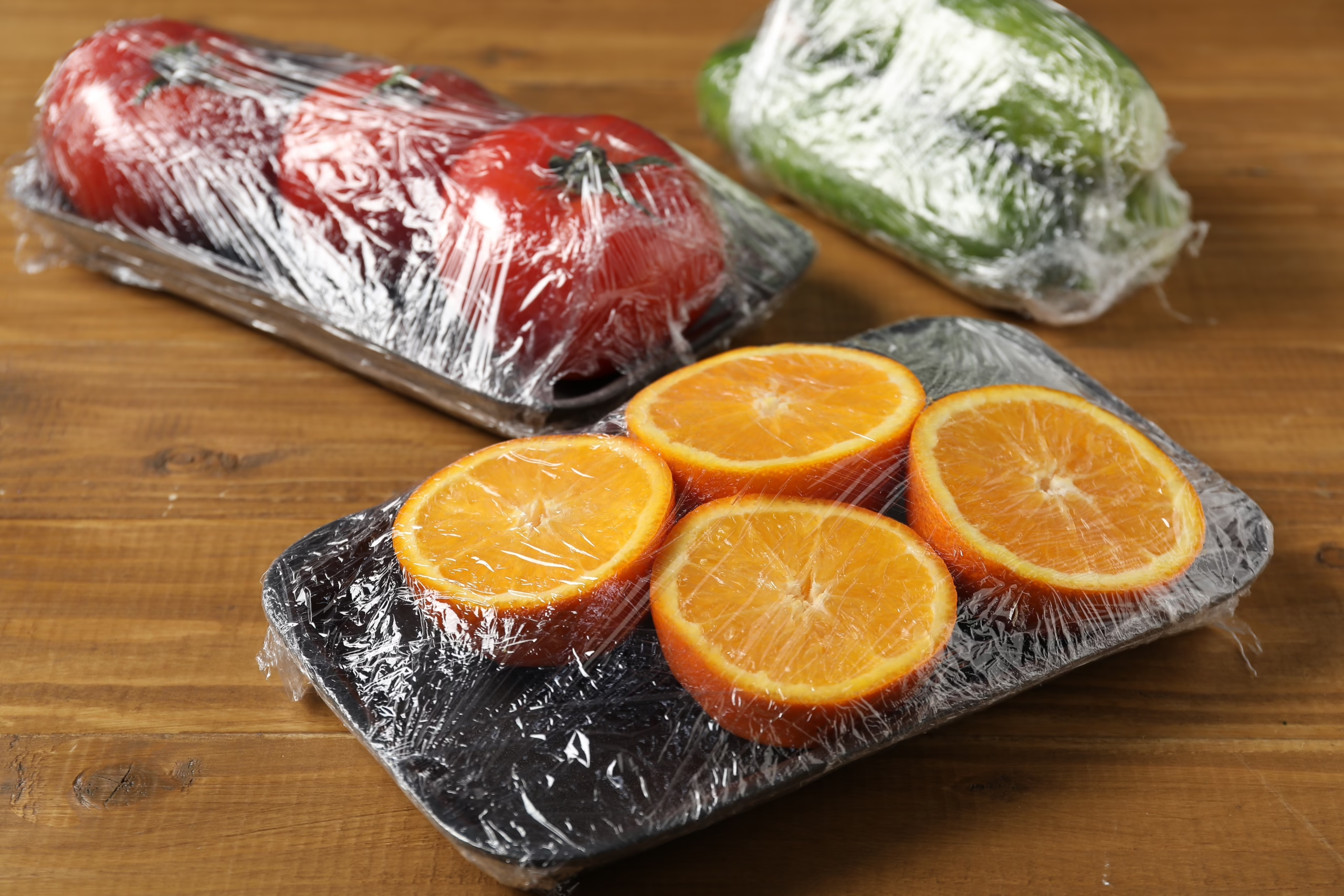
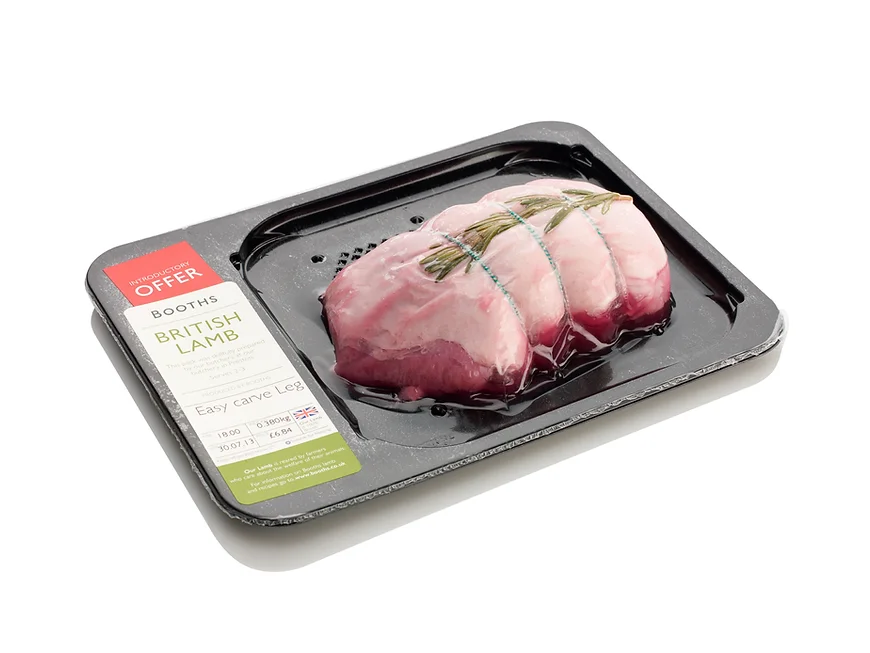
Polyethylene clarity depends heavily on grade. Metallocene LLDPE and clarified LDPE deliver genuinely clear film suitable for premium bakery or produce bags, while HDPE and many blended shrink grades read as translucent rather than glass clear. For display-critical applications such as skin vacuum packaging of fresh proteins, the top web is selected specifically for optics, since the consumer judges the protein through the film.
Moisture and Oxygen Barrier Behavior
Neither resin is a true high-barrier material, but their weaknesses differ. Both PE and PP block water vapor reasonably well because they are nonpolar, and both allow significant oxygen transmission on their own.
Typical water vapor transmission rates for 1 mil film run around 1.0 to 1.5 g/100 in²/day for LDPE, roughly 0.3 to 0.5 for HDPE, and about 0.25 to 0.7 for BOPP, measured under standard conditions described in test methods published by ASTM International. Oxygen transmission for either material usually lands in the hundreds of cc/100 in²/day, far too high for sensitive products.
When a product needs oxygen protection, the barrier comes from a coating or a buried layer rather than the base resin. PVDC-coated and acrylic-coated BOPP, metallized PP, and coextruded structures with EVOH or nylon all address that gap at different cost levels.
Heat Seal Windows and Line Speed
PE offers the broader and more forgiving seal window. Sealant layers often initiate between 180°F and 250°F, tolerate contamination at the seal area better than PP, and build hot tack quickly, which matters on vertical baggers dropping product into a forming seal.
BOPP films require a dedicated sealant skin or a cast polypropylene (CPP) mating web, with seal initiation generally starting near 250°F to 290°F. The narrower window rewards disciplined jaw temperature control and punishes worn heater bands. Most heat-seal troubleshooting calls on PP lines trace back to drifting jaw temperature, inadequate dwell, or product dust in the seal path.
Temperature Limits: Freezer, Microwave and Retort
Low-temperature performance favors polyethylene. LDPE and LLDPE stay flexible well below 0°F, so frozen food bags and cold-chain overwraps rarely crack during handling.
Polypropylene homopolymer becomes brittle as it approaches freezing, though impact copolymer grades extend usable range downward. PP earns its keep at the hot end instead, holding dimensional stability above 250°F. That heat tolerance is why microwavable meal prep trays and their lidding films are built from polypropylene rather than polyethylene, and why retort pouches use CPP as the inner sealant.
Choosing Between PE and PP by Application
- Multipack bundling and case wrap: PE shrink film, typically 1.5 to 3 mil, run through tunnels in the 300°F to 350°F range.
- Snack, confection, and dry goods wraps: BOPP or BOPP laminations at 70 to 120 gauge for stiffness and print quality.
- Frozen and refrigerated bags: LLDPE or blended PE for cold flexibility and puncture resistance.
- Microwavable trays and lidding: CPP and PP-based lidding films that survive reheating.
- Medical and device pouches: PE or PP sealant layers selected around sterilization method and validated seal strength.
Gauge, Yield and Material Economics
Polypropylene has lower density than polyethylene, so a pound of PP covers roughly 8 to 10 percent more surface area than LDPE at the same gauge. Combined with its stiffness, that often allows downgauging a PP structure while keeping machinability intact.
Polyethylene usually competes on resin cost, broad availability, and tolerance for recycled content in non-food layers. As a manufacturer, converter, and distributor of clear flexible packaging films, RTG Films evaluates both routes against the actual line speed, seal bar design, and distribution path rather than resin price alone.
Recyclability and Mono-Material Structures
PE films fit the existing store drop-off stream in many regions, which is one reason brands are converting multi-layer laminates into all-PE structures. PP films carry resin code 5 and are widely recycled in rigid form, though film-grade PP collection remains limited.
Food contact compliance applies to both families, and material selection should be documented against the food contact substance requirements maintained by the U.S. Food and Drug Administration. Mono-material claims also depend on coatings, inks, and adhesives, not only the base resin.
Frequently Asked Questions
Which Film Is Stronger, PE or PP?
Oriented PP is roughly three to five times stronger in tensile strength, while PE resists puncture and tear far better. The right answer depends on whether the package fails from stretching or from impact damage during distribution.
What Gauge Is Typical for Polyethylene Shrink Bundling Film?
Most bundling applications run 1.5 to 3 mil, with 2 mil covering a large share of beverage and canned goods multipacks. Heavier loads, sharp can rims, and long truck routes push specifications toward the upper end of that range.
Request Film Samples and Specifications From RTG Films
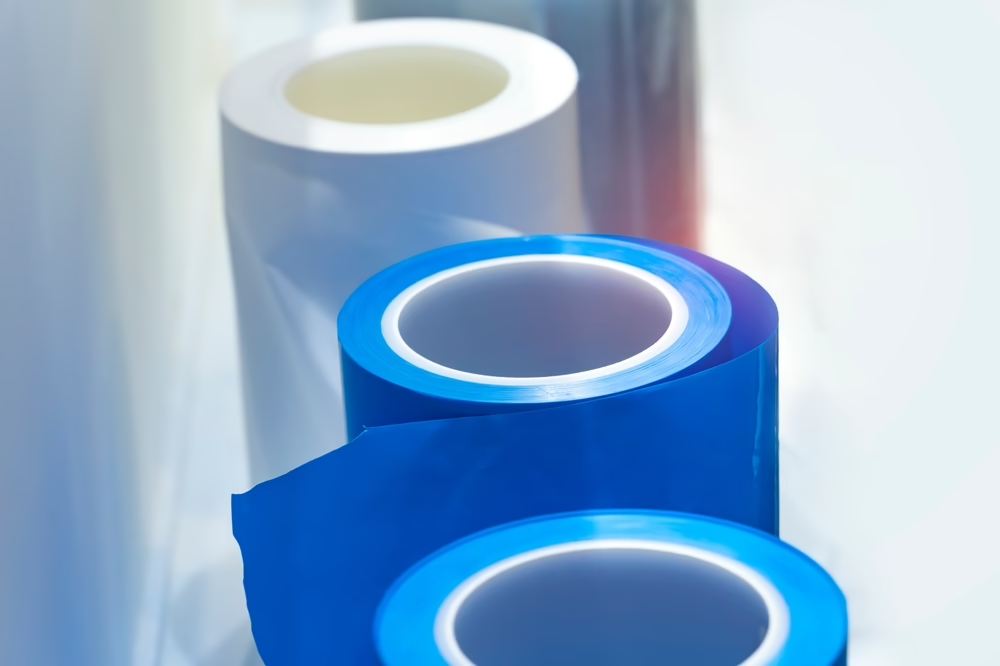
Contact RTG Films with the product dimensions, line speed, and sealing equipment details, and our team will recommend a PE or PP structure with the gauge, clarity, and seal range the application requires. RTG Films also provides contract slitting and rewinding so the finished rolls arrive sized for the machine that will run them.