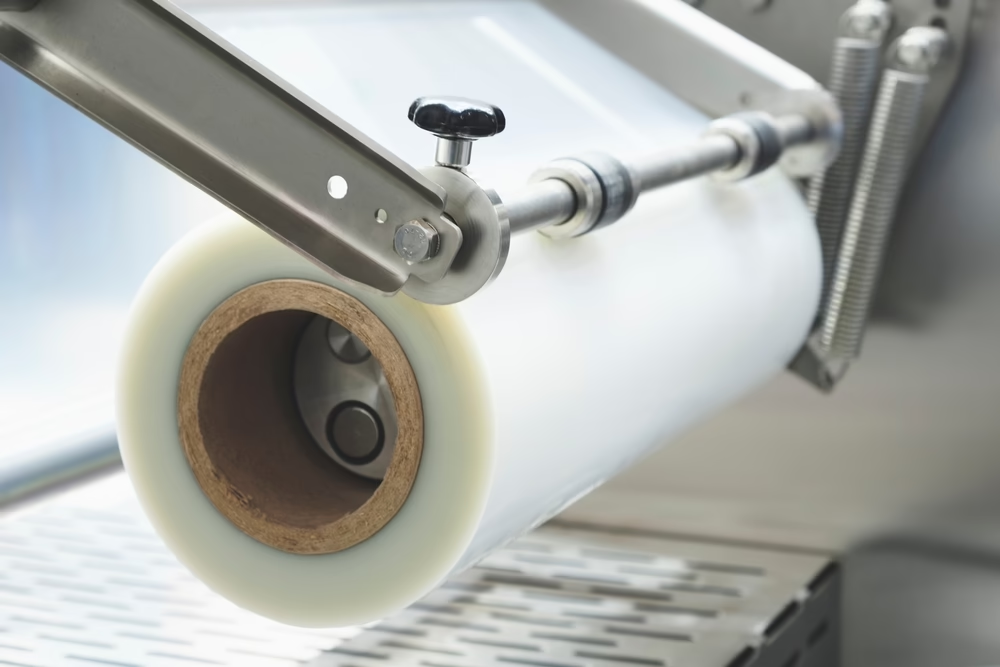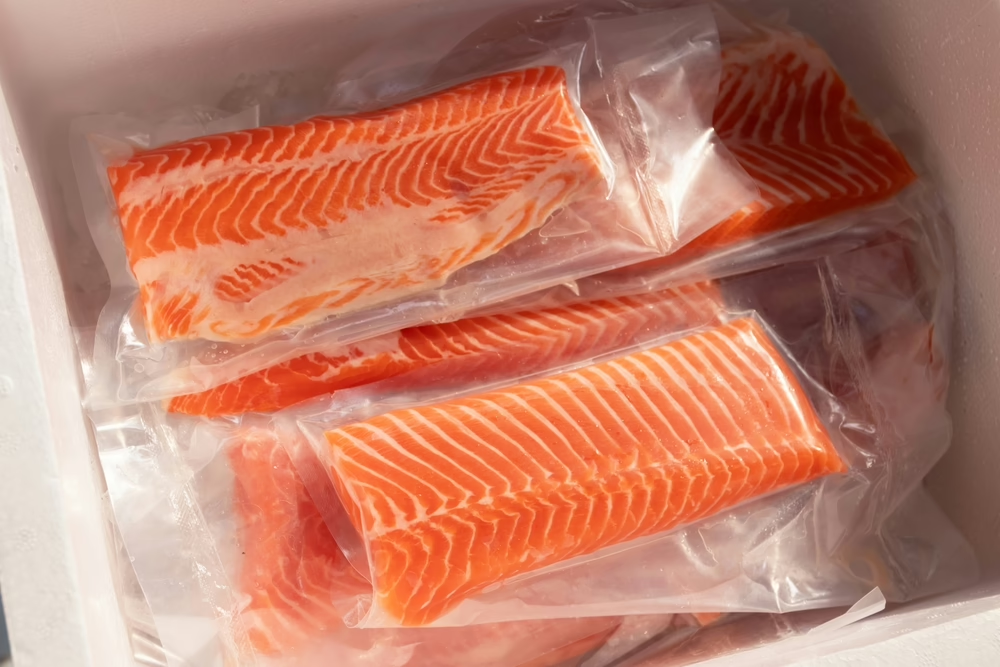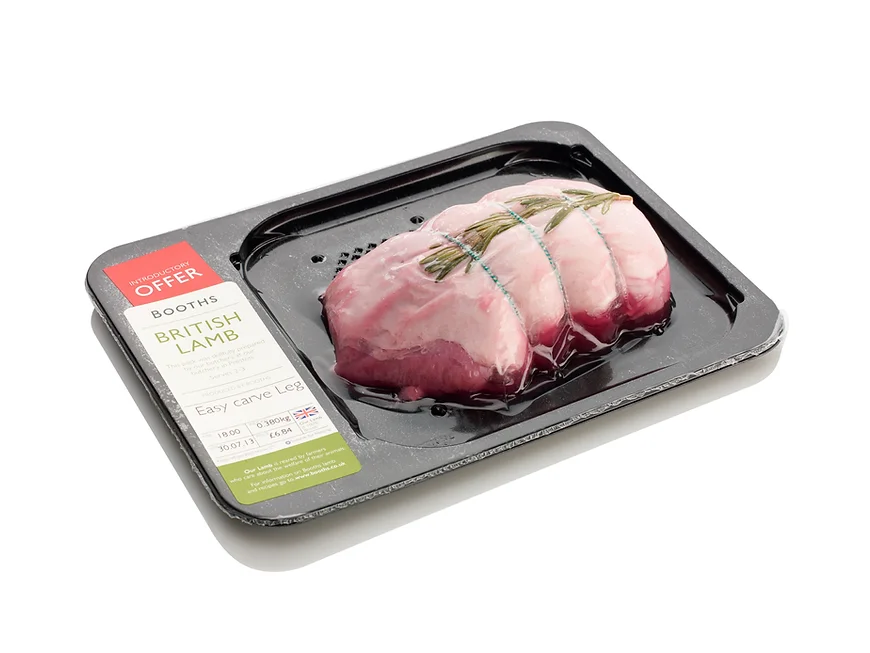
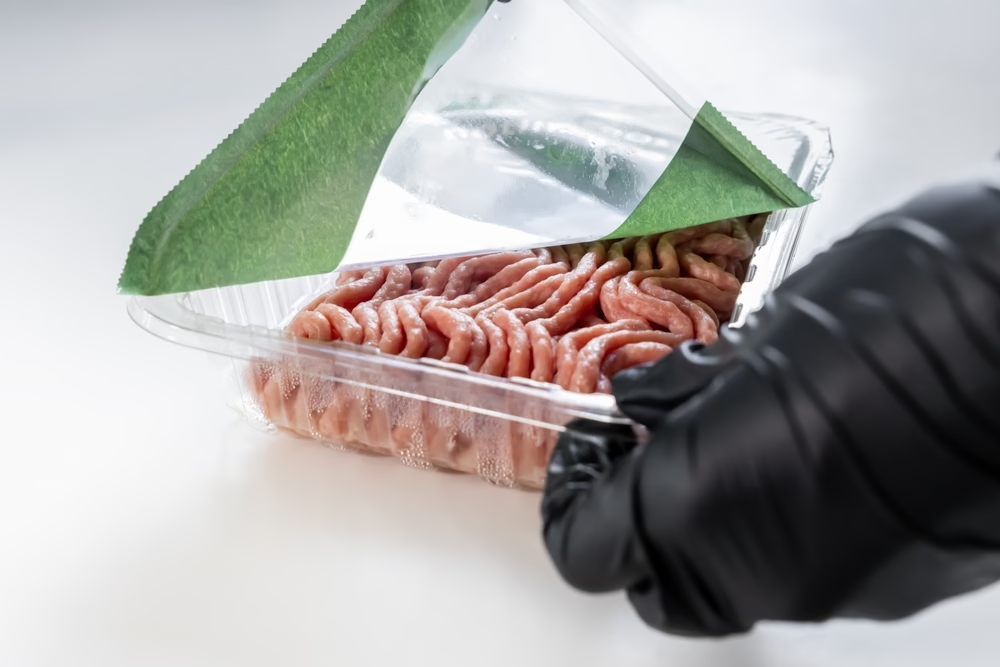

In the world of professional food packaging, a standard lidding film is far more than a simple plastic cover. It consists of multiple layers of high-performance, engineered polymers pressed together to create a robust, impermeable barrier. These layers are precision-bonded to form a flexible seal over trays, cups, and bowls across the food industry. You will typically see these lidding films heat-sealed to the rim of various containers to guarantee airtight protection and structural integrity.
The primary objective is twofold: keeping the contents securely inside while blocking external oxygen and moisture from entering the package. Manufacturers produce these films from specific plastics like polyethylene (PE), polypropylene (PP), and polyester (PET). Each material choice offers distinct advantages, such as enhanced heat resistance for microwaveable meals or high-clarity finishes for premium retail presentation.
At RTG Films, we specialize in identifying the perfect film-to-tray compatibility. A quality lidding film combination makes sure that products survive the rigorous journey from the factory to the retail shelf without compromise. Most high-performance films are designed with three primary structural components:
- Outer Layer: Provides thermal resistance to prevent melting during the sealing process and offers a high-quality printable surface for branding.
- Middle Barrier: Acts as the primary defense, blocking oxygen, moisture, and UV light to prevent oxidative spoilage.
- Inner Sealant: This layer is engineered to melt at specific temperatures to bond securely with the tray material, creating a hermetic seal.
Crucial Functions in Food Production
The global food industry relies heavily on lidding films to maintain safety and quality standards across complex supply chains. Without this protective barrier, perishable items would spoil within days, leading to significant financial loss and food waste. The right lidding film acts as an invisible shield against the bacteria and moisture that accelerate decay.
This protection dramatically extends the shelf life of groceries. Many fresh items require specialized atmospheres to stay crisp and vibrant. Furthermore, the structural integrity of these films prevents physical contamination during transit. High-performance films are engineered by RTG Films to resist tearing even when subjected to the rigors of automated sorting and high-speed shipping, making sure the consumer receives a product that is as fresh as the day it was packed.
Creating the Perfect Modified Atmosphere (MAP)
Lidding films must be capable of holding a modified atmosphere inside the container without allowing gas exchange. In many cases, high-barrier materials are used to trap protective gases like nitrogen or CO2. However, products like fresh produce actually need to “breathe” to prevent anaerobic bacteria growth.
In these instances, RTG Films provides materials with specific oxygen transmission rates (OTR). Advanced laser perforation technology allows for precise control over microscopic holes in the film, facilitating the exact respiration rate required for different fruits and vegetables. This careful balance prevents condensation and mold, keeping greens crisp and appetizing much longer on grocery store shelves.
Diverse Applications Across the Grocery Aisle
Lidding film applications are found in nearly every section of the supermarket. Because different food items require entirely different film properties, RTG Films offers a diverse portfolio of flexible packaging materials customized to specific grocery categories.
Dairy and Chilled Goods
From yogurt to cottage cheese, dairy products utilize protective “peel films” for safety and hygiene. These films must seal tightly to rigid containers to prevent leaks during handling. Premium dairy brands often use these seals to prevent freezer burn in ice cream or to provide anti-fog coatings on cheese trays, making sure that moisture does not obscure the product’s appearance.
Ready-to-Eat and Frozen Foods
Convenience drives the demand for prepared meals that feature specialized ovenable lidding films. These materials withstand extreme heat without degrading. RTG Films’ expertise includes self-venting technology, which allows steam to escape safely during the microwave process, preventing burns and making sure the food cooks evenly without drying out.
Bakery and Snack Items
Protecting delicate baked goods requires defense against moisture loss to prevent staleness. Resealable lidding films are an essential innovation for cookies and pastries, allowing consumers to open and close the package multiple times while maintaining freshness. For snacks like nuts or dried fruits, high-barrier resealable films are vital for maintaining flavor and “crunch.”
The RTG Films Advantage: Expertise and Services
Navigating the complexities of polymer science requires a partner with deep technical knowledge. RTG Films provides end-to-end services and expertise that go beyond simply supplying material. We act as consultants to keep your production line optimized for both speed and safety.
Our services include:
- Material Audits: We evaluate your current tray and film compatibility to eliminate sealing failures.
- Custom Perforation: Utilizing laser technology to match the respiration needs of specific produce.
- Sustainable Transitioning: Helping brands move toward mono-material or recyclable lidding without sacrificing barrier properties.
- Technical Support: On-site assistance to calibrate heat-sealing equipment for the specific film gauges provided.
By leveraging RTG Films’ expertise, manufacturers can reduce downtime caused by film curling, wrinkling, or inconsistent seal strength. We guarantee that the coefficient of friction (COF) is perfectly tuned for your high-speed machinery.
The Shift Toward Sustainable Lidding
As environmental awareness grows, RTG Films is at the forefront of food packaging film. Traditional multi-layer films are often difficult to recycle; however, we are now developing mono-material lidding films that are fully recyclable.
Innovations such as “downgauging”, using thinner films with advanced polymers to maintain strength, help brands reduce their carbon footprint. We also explore post-consumer recycled (PCR) content and compostable plant-based materials to help our partners meet their sustainability goals.
Technical Specifications and Brand Appeal
Every food product has unique needs. High-acid foods like tomato sauce require films that won’t degrade upon contact. Conversely, refrigerated salads require anti-fog properties for clear visibility. RTG Films makes sure these technical details are met while also providing high-definition printing options.
Modern lidding serves as a primary marketing tool. Through flexographic and rotogravure printing, we apply vibrant, photographic-quality images to the film. We often utilize reverse printing, which traps the ink between film layers, protecting the branding from scuffing or chemical exposure during the supply chain journey.
How to Choose the Right Lidding Film
Selecting the correct film involves analyzing several performance metrics. RTG Films recommends the following four-step evaluation:
- Identify Container Material: Make sure the sealant layer is chemically compatible with your tray (e.g., PP, PET, or PE).
- Determine Barrier Requirements: Assess if the product needs a total oxygen block or a breathable membrane.
- Select Opening Experience: Choose between easy-peel, burst-peel, or permanent “weld” seals.
- Evaluate Temperature Resistance: Confirm if the film must survive deep-freeze or high-heat environments.
Rigorous Testing for Seal Integrity
At RTG Films, we adhere to strict quality control protocols to guarantee every roll of film performs flawlessly. We utilize the ASTM F88 standard to measure seal strength, making sure the film is neither too weak to protect the product nor too difficult for the consumer to open.
Vacuum leak testing is also employed to identify microscopic pinholes, which is critical for MAP applications. By conducting burst testing and simulated transit tests, we guarantee that your packaging will remain secure even during high-altitude shipping or rough handling.
The Future of Lidding Technology
The future of lidding films lies in “smart packaging.” We are seeing the rise of indicators that change color if a seal is compromised or if a temperature threshold is exceeded. Active packaging, where the film contains oxygen scavengers or antimicrobial agents, is also an emerging frontier that RTG Films continues to explore to further reduce global food waste.
In conclusion, understanding lidding film is essential for any modern food producer. This versatile material preserves quality, guarantees safety, and enhances the brand experience. By partnering with RTG Films, you gain access to the technical expertise required to protect both your product and your reputation.