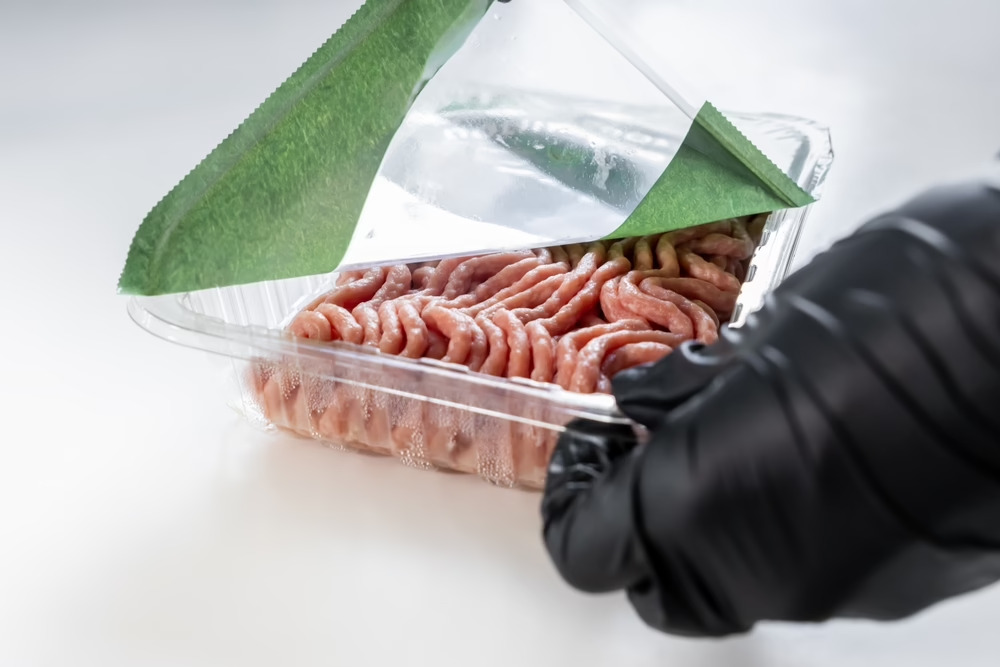
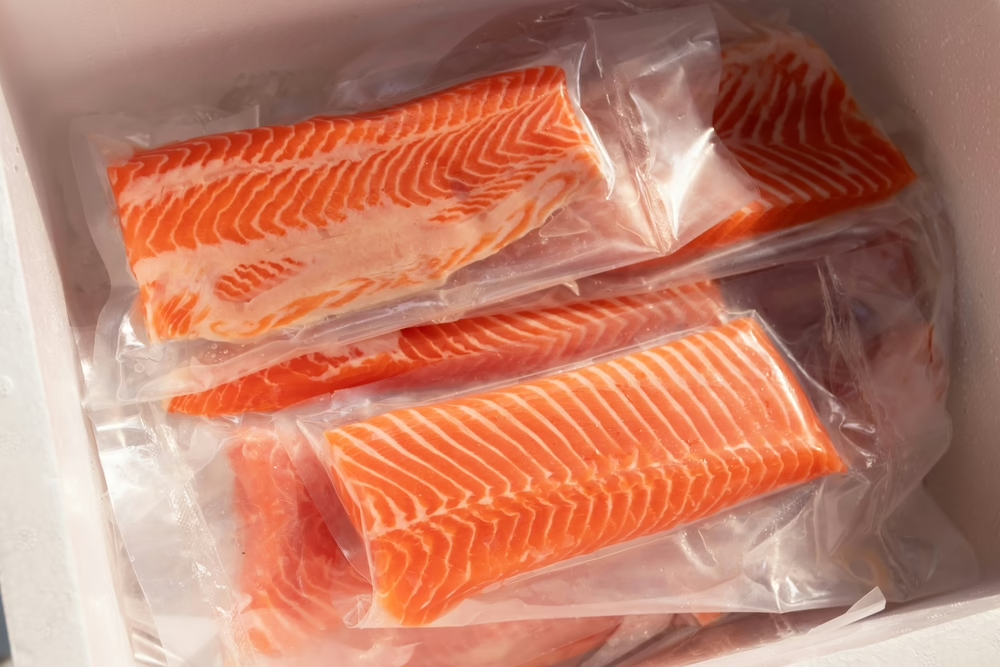

Ever pulled a package of meat from your fridge and found liquid pooling at the bottom? That’s not just unappetizing. It’s costing food retailers millions in lost sales and cutting product shelf life short. For anyone in food packaging, this issue is one of the biggest headaches in getting fresh meat, poultry, and cheese to customers while keeping quality intact. However, investing in specialized films can be the solution.
What Actually Causes Drip in Packaged Foods
Before we dive into solutions, it helps to understand what’s happening inside those packages. Fresh meat and cheese contain significant amounts of moisture. When proteins break down naturally over time, they release water and other liquids. Temperature fluctuations during storage and transport accelerate this process. Traditional packaging materials simply can’t handle this moisture effectively.
The liquid you see pooling in packages isn’t just water. It contains proteins, fats, nutrients, and in some cases, compounds that encourage bacterial growth. This purge, as it’s called in the industry, makes products look less appealing and actually speeds up spoilage. Retailers know that shoppers won’t buy meat sitting in a pool of liquid, no matter how fresh it actually is. The visual alone sends the wrong message.
Standard overwrapping films and basic polyethylene solutions were never designed to address this moisture management challenge. They might keep air out reasonably well, but they don’t have the advanced properties needed to deal with the problem effectively. That’s where vacuum skin packaging technology makes a real difference.
How Vacuum Skin Packaging Changes Everything
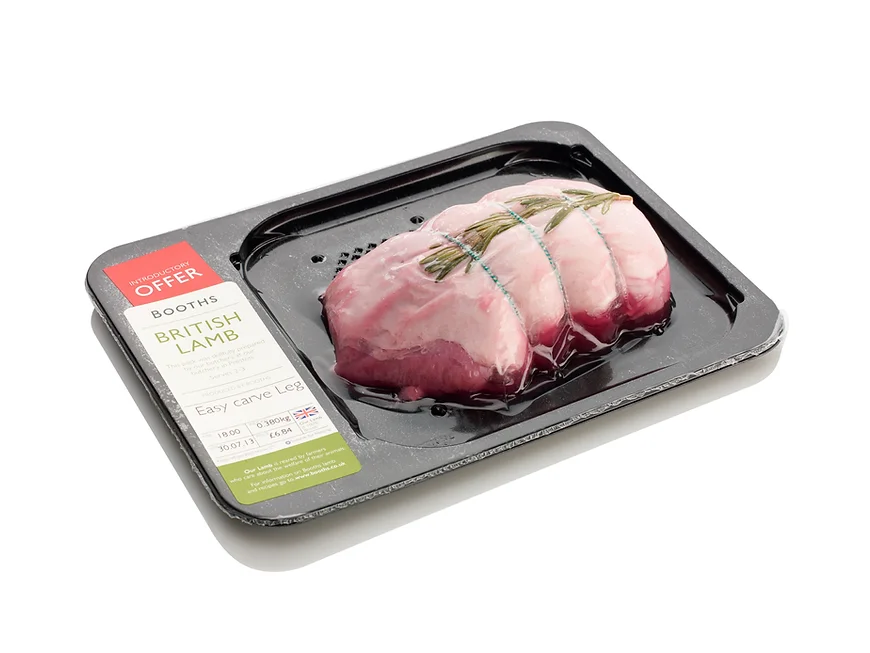
Vacuum skin packaging takes a completely different approach to protecting fresh foods. Instead of loosely wrapping a product or creating a modified atmosphere package with empty space, vacuum skin packaging films conform tightly to the exact contours of the food. The film becomes like a second skin, eliminating virtually all air pockets and creating an incredibly tight seal.
This isn’t your grandmother’s shrink wrap. The films used in vacuum skin packaging are engineered specifically for formability, which means they can stretch and mold around irregular shapes without tearing or creating weak points. When you’re packaging a ribeye steak with an uneven surface or a wedge of artisanal cheese with texture variations, you need a film that adapts.
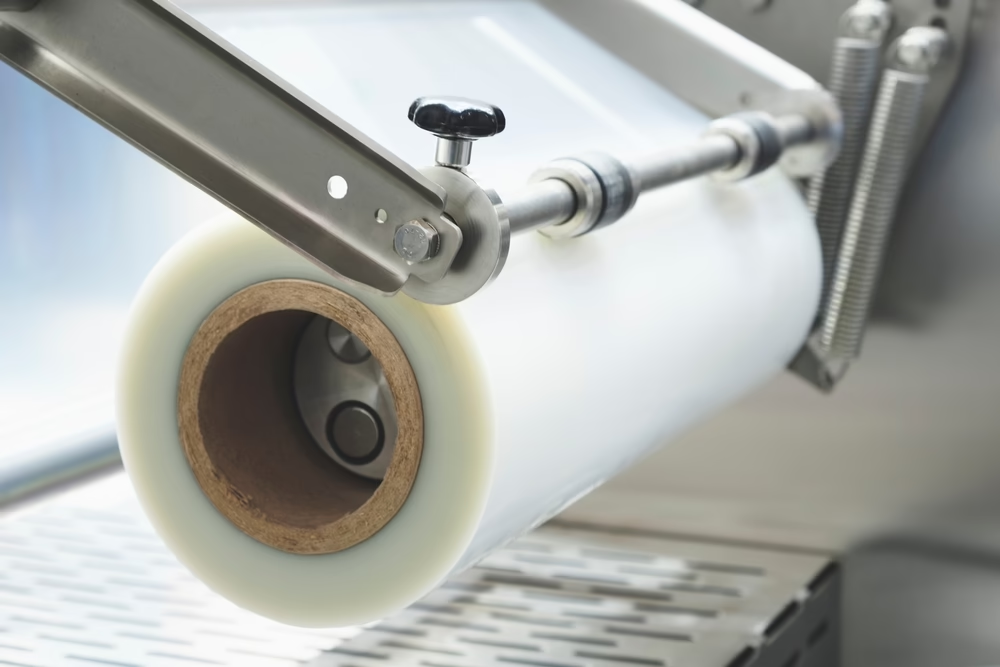
The process works by heating the film to make it pliable, then using vacuum pressure to draw it down onto the product, which sits on a specially designed backing board. As the film cools, it maintains that tight seal. The result looks almost like the product has been shrink wrapped, but the technical benefits go much further than appearance.
The Science Behind Superior Drip Retention
Here’s where it gets interesting for anyone dealing with fresh food packaging challenges. Superior drip retention films do something traditional packaging can’t. They actually manage moisture instead of just containing it.
The molecular structure of these specialized films includes properties that control how moisture behaves. Rather than allowing purge to pool freely, high quality vacuum skin packaging films with excellent drip retention distribute moisture across a larger surface area. Some advanced films even have the ability to absorb small amounts of moisture into the film structure itself, keeping it away from the product surface.
Think of it like the difference between a paper towel and a piece of plastic wrap. When you spill something, plastic wrap just lets liquid sit there. A paper towel draws the moisture in and spreads it out. Advanced vacuum skin packaging films incorporate elements of both, creating a barrier that protects while also managing moisture.
The adhesive properties of these films matter tremendously too. When a film adheres properly to both the product and the backing material, there’s nowhere for moisture to migrate. Traditional packaging often leaves gaps where liquid can pool. Those gaps are eliminated with properly formulated VSP films and solutions.
Real Impact on Shelf Life and Product Quality
The technical specifications are one thing, but what does this actually mean for businesses dealing with fresh meat, poultry, and cheese? The numbers tell a compelling story.
Products packaged with superior drip retention films consistently show extended shelf life compared to traditional packaging methods. We’re not talking about a day or two. Depending on the product, proper vacuum skin packaging can extend refrigerated shelf life by 50 to 100 percent. For a retailer, that translates directly to:
- Reduced waste from spoiled products
- More time to sell items at full price instead of markdown
- Lower inventory turnover costs
- Fewer customer complaints about quality
The visual presentation stays appealing much longer. When customers see meat or cheese that looks fresh, without liquid pooling, purchase rates go up. One major grocery chain reported a 23 percent increase in fresh meat sales after switching to vacuum skin packaging with high drip retention properties. Shoppers trust what they see, and products that look fresh perform better.
Food safety improves as well. Controlling moisture means controlling one of the key factors bacteria need to multiply. While proper refrigeration remains essential, effective drip retention adds another layer of protection. Products stay in the safe zone longer, which matters for everyone from producers to consumers.
Film Properties That Make the Difference
Not all vacuum skin packaging films deliver the same results. The difference comes down to specific technical properties that food manufacturers and packagers need to understand.
| Film Property | Why It Matters | Impact on Drip Retention |
| Formability | Allows film to conform to irregular shapes without tearing | Creates tight seal that prevents moisture migration |
| Puncture Resistance | Prevents film failure from sharp edges or bones | Maintains package integrity throughout shelf life |
| Adhesive Strength | Ensures film bonds properly to product and backing | Eliminates gaps where moisture can collect |
| Clarity | Provides visibility of product quality | Helps retailers and consumers inspect freshness |
| Barrier Properties | Controls oxygen and moisture transmission | Slows spoilage and extends shelf life |
| Flexibility at Low Temps | Maintains seal integrity in refrigeration | Prevents film from becoming brittle and cracking |
Clarity deserves special mention because it affects purchasing decisions more than most people realize. Even with excellent drip retention, if shoppers can’t see the product clearly through the film, they’re less likely to buy. The best vacuum skin packaging films provide crystal clear visibility while delivering all the protective benefits.
Puncture resistance becomes critical when you’re packaging products with bones, sharp edges, or irregular textures. A film might have excellent drip retention properties, but if it tears easily, all those benefits disappear. The films RTG Films provides are designed to balance all these properties, not just excel at one while sacrificing others.
Choosing the Right Film for Different Applications
Meat, poultry, and cheese each present unique packaging challenges. The ideal film for fresh ground beef doesn’t necessarily work best for aged cheddar or chicken breasts with ribs attached.
For red meat packaging, you need films that handle:
- Color retention alongside drip control
- Balanced oxygen transmission to prevent browning
- Moisture management without affecting appearance
- Strong seals that hold up during distribution
The right vacuum skin packaging film maintains that attractive red color consumers associate with freshness while controlling moisture.
Poultry packaging requires exceptional puncture resistance because bones can easily compromise film integrity. The film also needs to handle the higher moisture content naturally present in chicken and turkey. Superior drip retention becomes even more important because poultry releases more liquid than most red meats.
Cheese applications vary wildly depending on moisture content and aging. Fresh mozzarella swimming in brine needs completely different film properties than aged parmesan. Soft cheeses continue releasing moisture over time, making drip retention absolutely critical. Hard cheeses need films that prevent moisture loss while protecting against external contamination.
The Production Side of Better Packaging
For manufacturers and food processors evaluating packaging options, understanding how these films work in production environments matters as much as their performance on the shelf.
Modern vacuum skin packaging equipment works efficiently with properly formulated films. The heating and forming cycles happen quickly, typically in just a few seconds per package. This speed matters when you’re running high volume production lines. Films that require excessive heat or extended forming times slow everything down and increase energy costs.
The films need to work reliably across a range of production conditions too. Temperature and humidity in processing facilities fluctuate, and films need to perform consistently regardless of these variations. Nothing disrupts a production schedule like packaging materials that work fine one day but cause problems the next.
Compatibility with printing technology is another consideration many overlook. If you want printed film with branding, nutritional information, or cooking instructions, the film needs to accept ink properly while maintaining all its protective properties. Some films excel at drip retention but can’t be printed effectively. The best solutions offer both.
Sustainability Considerations in Modern Food Packaging
Anyone in the food industry today knows that sustainability matters to consumers and regulators alike. The conversation around plastic packaging has intensified, and companies need solutions that balance protection with environmental responsibility.
Here’s something worth understanding about vacuum skin packaging: because it extends shelf life so significantly, it actually reduces food waste. When less product spoils before reaching consumers, the overall environmental impact improves. Food waste represents a massive sustainability challenge, and packaging that addresses this problem contributes to the solution.
Film thickness matters from a sustainability perspective. Thinner films use less material, but they need to maintain all their protective properties. Advances in film technology now allow for thinner gauges without sacrificing performance. This means less plastic per package while still delivering superior drip retention and product protection.
Some food packaging film manufacturers like RTG Films now offer biodegradable and compostable film options that still provide excellent moisture management. These solutions typically use PLA (polylactic acid) derived from plant materials rather than petroleum. For companies committed to sustainability, these alternatives offer a way to reduce environmental impact without compromising on food protection.
Making the Switch to Better Drip Retention Films
For food manufacturers and retailers considering an upgrade to their packaging systems, the transition to superior vacuum skin packaging films involves several practical considerations.
Equipment compatibility comes first. Most modern thermoforming and vacuum skin packaging equipment can handle advanced films, but older systems might need adjustments or upgrades. Working with an experienced film supplier who understands both the materials and the equipment helps ensure a smooth transition.
Testing is essential before making a complete switchover. Running trials with your specific products under your actual storage and distribution conditions reveals how the films perform in real world situations. What works perfectly in a laboratory might encounter unexpected challenges in a busy distribution center or retail environment.
When evaluating costs, consider the complete picture:
- Price per pound of film material
- Extended shelf life reducing waste
- Improved sales from better product presentation
- Reduced markdowns and spoilage losses
- Brand reputation improvements
Yes, advanced vacuum skin packaging films with superior drip retention typically cost more than basic options. But when you factor in the total return on investment, the numbers make sense.
Training staff on proper handling and sealing procedures makes a difference too. Even the best films won’t perform optimally if applied incorrectly. Taking time to ensure everyone understands the proper techniques pays off in consistent results.
The Future of Fresh Food Packaging
The technology behind drip retention films continues advancing. Researchers are developing films with even better moisture management, improved sustainability profiles, and enhanced barrier properties. Some emerging solutions incorporate antimicrobial properties directly into the film structure, adding another layer of food safety protection.
Smart packaging technologies are beginning to appear as well. Imagine films that change color to indicate temperature abuse or that include sensors monitoring freshness. These innovations will build on the foundation of excellent drip retention and barrier properties that modern vacuum skin packaging already provides.
For now, though, the proven technology of superior vacuum skin packaging films offers food companies a reliable solution to one of their most persistent challenges. Controlling drip, extending shelf life, and improving product presentation aren’t future possibilities. They’re current realities for businesses using the right films.
This issue frustrates consumers and costs businesses money, but it has a solution. It requires understanding the science behind moisture management, choosing films engineered for superior drip retention, and implementing them correctly. For meat, poultry, and cheese producers and retailers ready to improve their packaging performance, the path forward is clear. Contact RTG Films today to make sure your inventory retains its shelf life. After all, better films lead to better results, from the production line to the shopping cart to the dinner table.